 venuefinder.nz
Mastering Corporate Event Email Timelines for Your Next Conference
An effective email timeline isn't just about sending a bunch of updates; it's about crafting a cohesive journey that guides your attendees from their first flicker of interest right through to the post-event buzz. When you map out each message against key dates, no email feels random or out of place. This blueprint turns every email into a strategic step forward.
Building Your Event Communication Blueprint
Crafting a communication plan before you send a single email helps pull everything together around a clear set of goals. We've found that a strategic timeline is less about sending more emails and more about sending the right email at the right time to build genuine anticipation and, most importantly, drive RSVPs. It's the difference between a fragmented, confusing experience and a smooth, professional one. Here's a rough guide to how the key moments in your email sequence should play out:
- The initial announcement, sent around 4–6 months out, is all about planting the seed and capturing early interest.
- Your official invitation should land 10–12 weeks before the event, giving people a clear call-to-action to register.
- A few well-timed reminder emails keep the momentum going without overwhelming inboxes.
- The final pre-event briefing, about 3–5 days beforehand, is crucial for arming attendees with all the practical details they need.
- Finally, a post-event follow-up within 24 hours is your chance to cement relationships and gather valuable feedback.
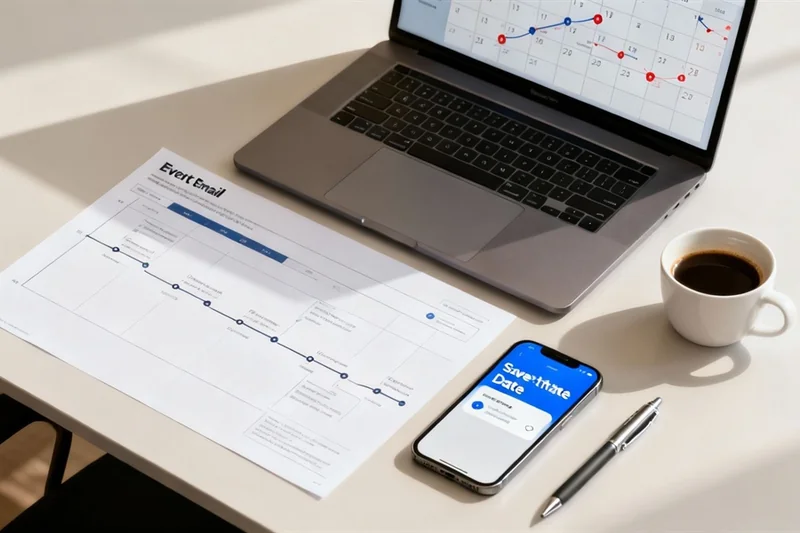
At-a-Glance Conference Email Timeline
For those who like a quick summary, this table breaks down the essential stages of a typical conference email campaign. Think of it as your cheat sheet for hitting the right notes at the right time.
| Email Stage | Recommended Timing | Primary Goal |
|---|---|---|
| Save the Date | 4–6 months before | Build early awareness & anticipation |
| Official Invitation | 10–12 weeks before | Drive registrations & secure commitments |
| Registration Reminder | 2 weeks before deadline | Nudge non-responders & create urgency |
| Final Checklist | 3–5 days before | Answer last-minute questions & provide key info |
| Thank You & Survey | Within 24 hours after | Collect feedback & share resources |
This structure gives your communication a natural rhythm, making the entire experience feel polished and well-managed from your attendees' perspective.
Why a Timeline Matters
Every stage in your email sequence has a unique job to do, and timing is everything. For instance, sending a conference announcement just as companies are finalising their annual budgets is a smart move to get on decision-makers' radars.
Learning how to connect these emails creates a sense of flow and builds trust with your audience. It also gives you a framework to monitor engagement and make adjustments on the fly. If you want to dive deeper into the nuts and bolts, you might find our guides on corporate event planning useful.
By keeping an eye on open rates and click-throughs, you can tweak subject lines, adjust send times, and get more impact out of every single conference email you send here in the NZ market.
The Pre-Event Countdown: Announcing Your Conference
Getting the pre-event communication right is where you turn a simple idea into a must-attend conference. This is all about building a bit of buzz and, most importantly, getting those registrations locked in. A well-timed email strategy, starting months out, is your best friend here.
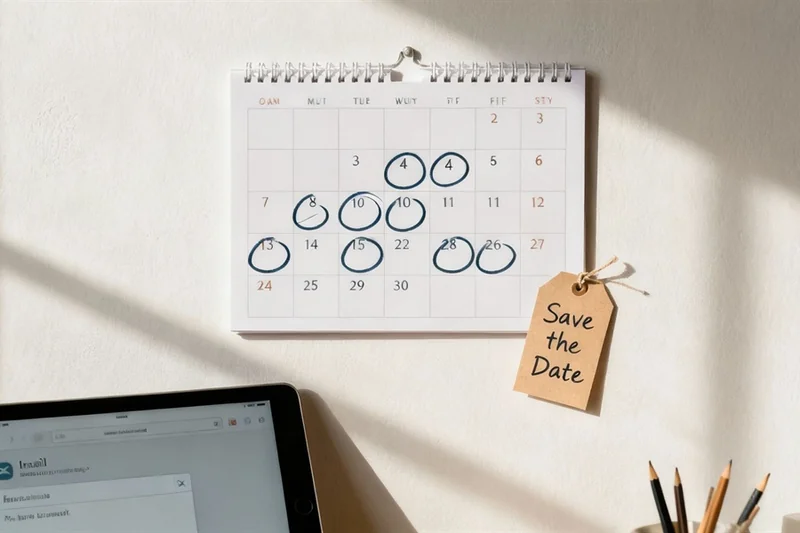
For any decent-sized conference, especially if you're asking people to travel and sort out accommodation, the 'Save the Date' email is your first, crucial move. You'll want this to land in inboxes 4-6 months before the event. It doesn't need to be jam-packed with details; its main job is to get your event on people's radars and into their calendars early.
Crafting the Official Invitation
Your official invitation should follow about 10-12 weeks out from the event date. Think of this email as your main sales pitch – it needs to be convincing. It has to clearly spell out the value, whether that's an influential keynote speaker you've secured, exclusive networking sessions, or unique professional development opportunities they won't find elsewhere . This timing is especially important here in New Zealand, where venues and accommodation can get booked up surprisingly fast. Keeping an eye on hotel occupancy rates gives you a good feel for planning windows in major cities. The goal is simple: create a bit of urgency and make clicking that 'register' button an easy, obvious decision.
Segmentation and Subject Lines
Sending the same generic email to everyone is a rookie mistake. Smart audience segmentation is how you really make an impact. You need to tailor your message for different groups.
- VIPs & Key Stakeholders: These people get a personalised invitation that makes it clear how important they are to your event.
- Speakers & Panellists: They need specific details about their sessions, timings, and other logistical info.
- General Attendees: This group gets a compelling overview that focuses squarely on the key benefits of coming along.
Honestly, though, your subject line is the gatekeeper to this whole effort. It has to be clear, snappy, and interesting enough to earn that click. In just a few words, it needs to convey value and urgency, turning someone scrolling through their inbox into an engaged potential attendee.
For example, ditch "Conference Invitation" and try something like "Exclusive Invitation: The Future of [Industry] Conference" or "Early Bird Registration Is Now Open for [Event Name]". A sharp subject line paired with a clear call-to-action, such as "Register Today and Save $100," can make a massive difference to your open and sign-up rates. Ultimately, building a winning event strategy to drive real business results starts with getting these foundational emails absolutely right.
Managing Registrations with Strategic Reminders
Right, your invitations are out in the wild. Now, the game shifts from sparking interest to securing actual bums on seats. This next phase of your email timeline is all about converting that interest into confirmed attendees, using smart, timely reminders that build momentum without clogging up inboxes.
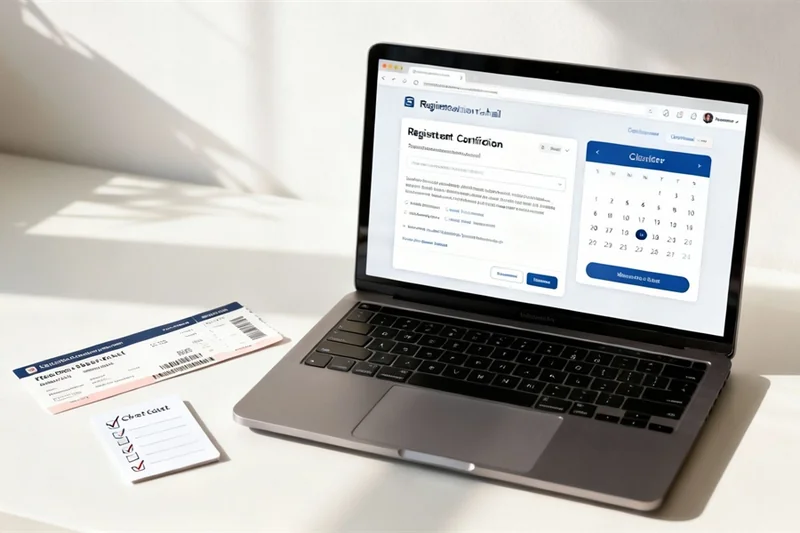
First things first: that automated confirmation email. This needs to go out the second someone registers. Think of it less like a receipt and more like the first official welcome. It's a crucial touchpoint that reassures them their spot is locked in. And whatever you do, make sure it includes an "add to calendar" link. It's such a simple feature, but it dramatically increases the chance they'll actually turn up.
Nudging the Undecided
What about everyone who hasn't registered yet? A couple of well-placed reminders can work wonders to create a bit of healthy urgency.
- Registration Closing Soon (1-2 weeks before the deadline): This is your gentle nudge. It's not about being pushy; it's about reminding them what they'll miss out on. Highlight a killer speaker, a unique networking session, or another key benefit to get their attention again.
- Last Chance Reminder (24-48 hours before the deadline): This is your final shot. Keep it short, sharp, and direct. The goal here is to make registering as easy as possible with a big, obvious call-to-action button.
The secret to this is segmenting your email list. You absolutely must ensure these reminders only go to those who haven't replied. There's nothing worse than annoying people who have already signed up. It keeps your communications feeling personal and relevant.
The Essential 'Know Before You Go' Email
About 3-5 days before the event, it's time to send out the "Know Before You Go" email to everyone who has registered. This is your chance to pre-emptively answer every single question your attendees might have, so they can walk in feeling prepared and confident.
This email is your final pre-event communication, so pack it with value. Include the finalised agenda, speaker times, and all the practical stuff like parking details, public transport options, and the dress code. Getting specific about the venue helps manage expectations. Ultimately, this email is your last chance to build excitement and ensure a smooth start for everyone.
Keep the Momentum Going: On-the-Day and Post-Event Communication
Just because your event has started doesn't mean your communication should stop. The day itself is a golden opportunity to guide your attendees' experience and keep the energy up. Then, once it's all over, your follow-up is where you cement relationships and prove the event was worth their time.
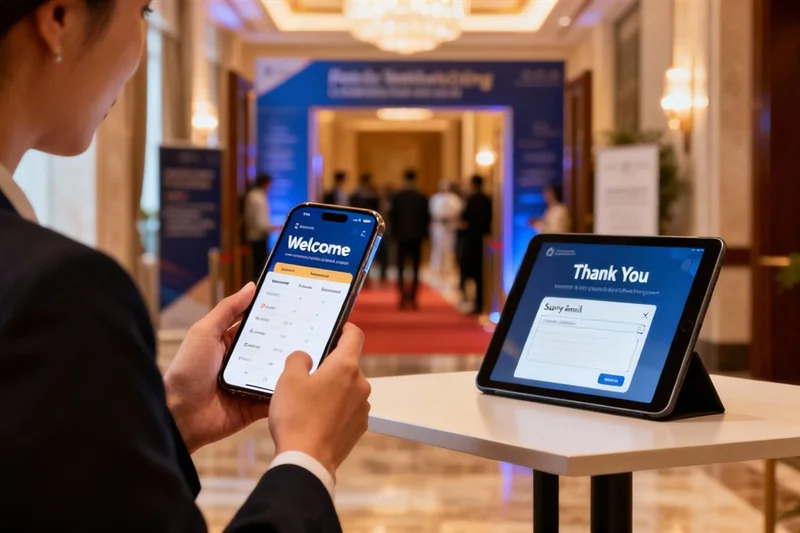
A well-timed "Welcome" email or SMS as guests are walking through the door can really set a positive tone. Think about it – they've just arrived, and a message pops up with a direct link to the digital agenda or a quick reminder about the opening keynote. It's a small touch, but it shows you're organised and helps everyone get their bearings.
The All-Important Post-Event Follow-Up
The 24 hours after your event wraps up are absolutely critical. This is your prime window to send out a "Thank You & Survey" email. You want to catch people while the experience is still fresh in their minds – that's when you'll get the most honest feedback and a much better response rate.
This first follow-up is more than just good manners; it's a strategic move. You're gathering immediate insights while also delivering on promises. Make sure you include links to things people will actually want, like presentation slides, speaker contact details, or a gallery of event photos. It adds instant, tangible value.
From Handshakes to Real Relationships
If your conference had a strong sales or networking focus, the conversation shouldn't end with a simple thank you. About a week later, it's time for a smarter, segmented follow-up email. This is where you can target attendees with content that's genuinely relevant to them.
We've found it's well worth the effort to create a few different versions based on who you're talking to or what they were interested in:
- For potential clients: Send them a case study or a resource that directly relates to a topic they engaged with.
- For industry partners: Suggest a proper follow-up meeting to explore those collaboration ideas you touched on.
- For everyone else: A summary of the key takeaways or an invitation to a related webinar works brilliantly to keep the conversation going.
This final step transforms a one-off conference into a meaningful, ongoing connection. It shows you're invested in their professional growth, long after the last of the coffee has been cleared away.
Right, your email timeline for attendees is sorted, but don't forget you're running a parallel timeline for your suppliers and venue. This is just as critical. In New Zealand's corporate event scene, things get booked up fast, so getting in early is absolutely essential if you want to secure your top choices. For any decent-sized conference, you have to be on the front foot from the get-go.
From our experience, you should be sending out those initial venue enquiries at least 6-12 months before your event date. It sounds like a lot, but this gives you the breathing room you need for site visits, hashing out the details, and signing contracts without that last-minute panic. A vague email won't cut it; a detailed enquiry that outlines your event type, ideal dates, and expected guest numbers will always get a faster, better response.
Securing Key Event Partners
It's not just the venue you need to think about. Your other suppliers are just as busy. We'd recommend getting in touch with key partners, especially caterers, around 3-4 months out.
The catering side of things is a perfect example of why this matters. The corporate catering industry in New Zealand now generates significant revenue, and the top providers are in high demand.
Reaching out well in advance not only secures your reservation but also allows sufficient time for menu tastings and addressing dietary needs. For more insights, visit our blog on How to Cater for Dietary Requirements at Corporate Events Without Stress.
This proactive approach isn't just about ticking a box. It's about building a solid working relationship from the start, and that's the real foundation of a smoothly run event. By keeping your attendee and supplier timelines aligned, you're setting yourself up for a much more organised, less stressful planning process. For a deeper dive into this, check out our guide to help you find the best venue in NZ for your corporate event.
Your Top Event Email Timeline Questions, Answered
Even with the best-laid plans, a few questions always seem to surface when you're mapping out your corporate event emails. Getting the timing and content just right can feel a bit tricky, but from our experience, a few simple principles will see you through the most common sticking points.
Let's dive into some of the questions we hear all the time.
How Far Out Should We Announce a Corporate Conference?
For any large-scale conference, especially one where attendees might need to travel, you'll want to send a 'Save the Date' email 4-6 months ahead of time. This is non-negotiable if you want to get on people's calendars early.
The official invitation, the one with all the juicy details and the registration link, should land in their inbox about 10-12 weeks before the event. This gives everyone plenty of breathing room to get budget approval from the boss and book their travel and accommodation.
What's the Right Number of Reminder Emails?
This one's a fine balance. You want to create urgency, not annoyance. We've found that a maximum of three reminder emails to people who haven't registered yet is the sweet spot. Any more than that and you risk a wave of unsubscribes.
Here's a simple, effective sequence:
- Send a friendly 'Registration Closing Soon' nudge 1-2 weeks before the cut-off.
- Follow up with a 'Last Chance to Register' email 2-3 days out.
- A final 'Closing Today' message on the deadline day itself works wonders for grabbing those last-minute sign-ups.
It is crucial to make absolutely sure you're segmenting your email list for these reminders. Nothing looks more unprofessional than chasing someone who has already paid and registered. It's a small detail that makes a big difference to your guests.
What Absolutely Must Go in the Final Pre-Event Email?
Your 'Know Before You Go' email is, without a doubt, one of the most critical pieces of communication you'll send. This is where you iron out all the final details so your guests can arrive feeling prepared and relaxed, not stressed.
It must include the finalised schedule, the venue address (with a link to online maps!), clear advice on parking or public transport, the dress code, and any specific check-in instructions. Little things like Wi-Fi details and an on-site contact number are also incredibly helpful and show you've thought of everything.
Should We Bother Sending an Email on the Day of the Event?
Absolutely! A morning-of email or even a quick SMS is a fantastic touch. It acts as a final, warm welcome and it's the perfect place to drop a link to the digital programme or instructions for the opening session.
It's a small effort, but it shows top-tier organisation and really kicks off the attendee experience on a high note.
Planning your next corporate event or conference? From finding the perfect Auckland meeting room to a stunning Queenstown gala venue, we make it simple. Start your search today and connect with New Zealand's best spaces and suppliers, all in one place.