 Venue Finder
Find the Best Venue in NZ for your Corporate Event
22 Jan 2026 by Venue Finder NZ
Finding the perfect corporate event venue all begins with a clear vision. Before you even start looking at spaces, you need to define what a successful event looks like for you. Is it a high-stakes conference, a relaxed team retreat, or a lavish awards gala? The purpose of your event will completely dictate the atmosphere you need to create.
Matching Your Venue to Your Event Vision
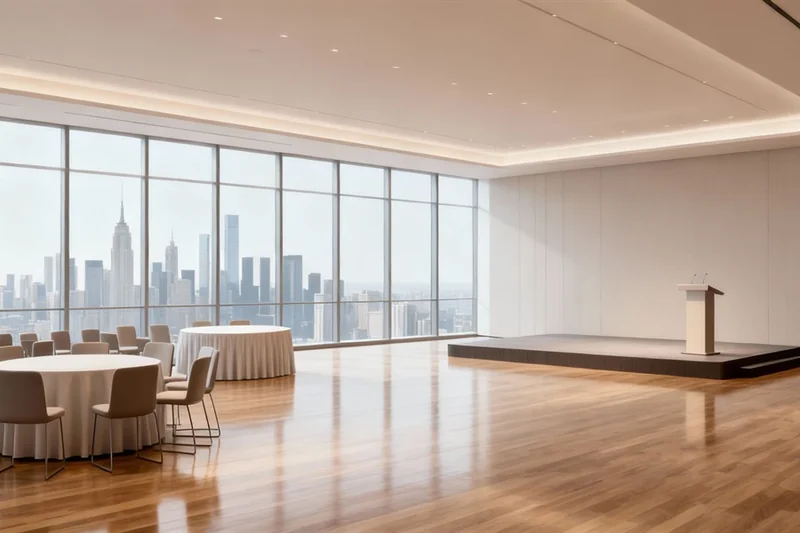
Honestly, this initial planning stage is the most critical part of the whole journey. When you align your event's core objectives with the right type of space, your search becomes focused right from the get-go, saving you a whole lot of time and stress down the track.
Getting this foundation right helps you find a space that truly feels like an extension of your company's brand and goals. So, before you start browsing, let's nail down these key steps.
Define Your Event's Purpose and Atmosphere
Initially, it's important to identify the main objective. Are you looking to educate, celebrate, or encourage new connections? For example, a product launch typically requires a modern, tech-ready environment, while an end-of-year celebration might be best held in a distinctive venue with character. Your venue is more than just a location; it's a strategic tool that supports your event's message and brand identity, creating an immersive experience that leaves a lasting impression on your guests.
Finalise Your Guest List and Budget
Next up, you need to get a handle on your guest numbers. This is a non-negotiable step because it directly influences your venue choice and, of course, your overall costs.
Once you have a solid headcount, you can establish a realistic budget. And remember, it's about more than just the venue hire fee. Be sure to factor in other big-ticket items like catering, AV equipment, and staffing. For a more detailed breakdown, you can explore our Practical Guide to Your Corporate Event Budget.
This practical approach is mirrored in trends we see across the country. In New Zealand, corporate meetings and conferences consistently make up the bulk of events held at professional venues, often hitting 60–70% of all recorded activity. It just goes to show how vital these gatherings are, from the main centres right through to regional hubs.
What Kind of NZ Venue Are You Looking For?
New Zealand is packed with incredible venues, so you're spoilt for choice when it comes to finding the perfect spot for your corporate event. The trick is figuring out which type of venue fits the vibe and goals you're aiming for.
Getting this right is a big deal. It shapes everything from the technology at your fingertips to the overall atmosphere your guests will experience. Let's break down the main options so you can make a call that nails the brief.
Dedicated Conference Centres
If you're planning a large-scale seminar, an AGM, or a major industry keynote, a dedicated conference centre is probably your best bet. These places are literally built for business. Think state-of-the-art AV, professional on-site support, and rooms you can configure any way you like. They're experts at managing complex logistics, giving you a slick, professional backdrop that keeps the focus squarely on your content.
Hotel Function Rooms
You really can't beat the all-in-one convenience of a hotel, especially when you have attendees travelling from out of town. Hotels offer a completely seamless package: accommodation, catering, and experienced event staff are all under one roof.
Honestly, this makes the planning process so much simpler. You're dealing with a single point of contact for almost everything. From high-rise hotels in central Auckland to stunning resorts in Queenstown, they provide a polished and reliable option for almost any corporate event.
Unique and Non-Traditional Spaces
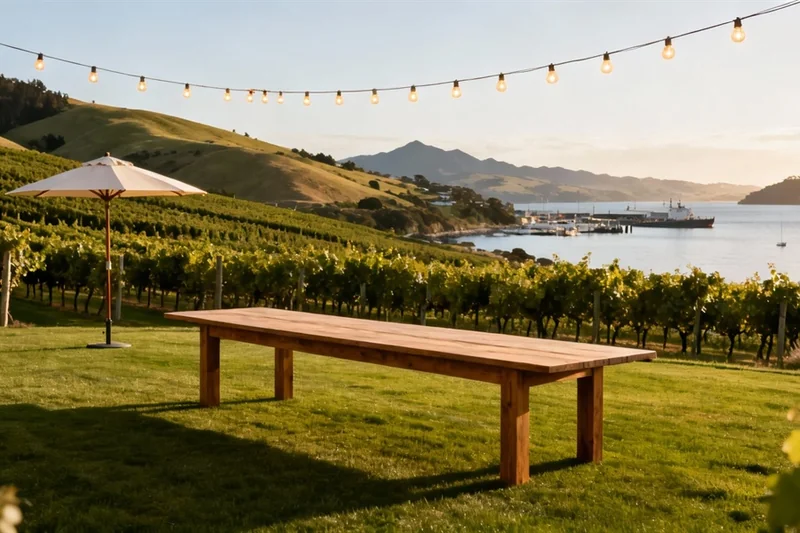
Recently, there has been a noticeable trend towards hosting corporate events in venues with more character. Picture a product launch at a stylish waterfront restaurant in Wellington, or a team-building day at a rustic winery with stunning views.
These less conventional venues provide a distinct atmosphere that can ignite creativity and encourage conversation. While they may require additional coordination with external suppliers, the unique setting can leave a lasting impression that a standard function room cannot match. On our platform, we make it easy to discover these hidden gems alongside more traditional options.
Choosing a non-traditional venue, such as a winery or private estate, can make a strong statement by offering a memorable and engaging experience, helping your event stand out from the usual boardroom meeting.
Your Ultimate Site Inspection Checklist
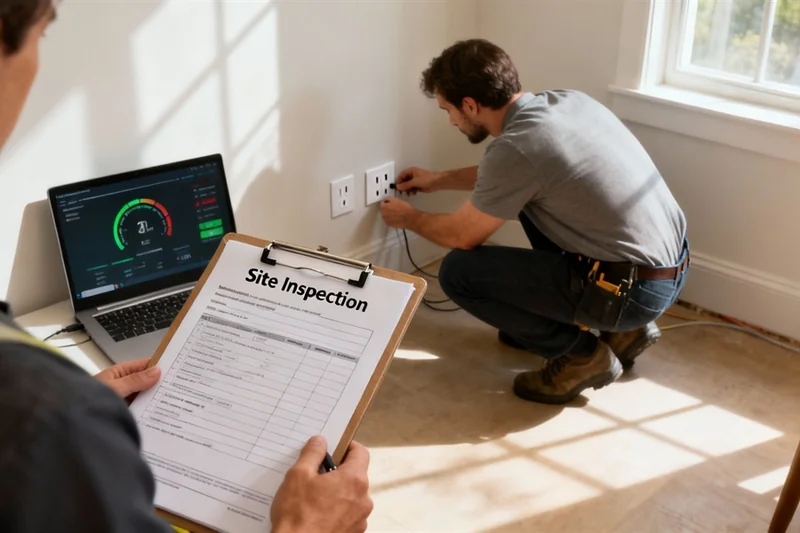
This is it - your chance to see beyond the glossy photos and get a real feel for a corporate event venue. A site inspection is more than just a quick look-around; it's a hands-on opportunity to catch the little things that could cause major headaches on event day.
It's easy to remember the big stuff, like checking the main room size and making sure the bathrooms are clean. But what truly makes or breaks an event are the details. This is where you shift from a casual walkthrough to a proper technical inspection to make sure there are no unpleasant surprises.
Looking Beyond the Obvious
When you're on-site, try to experience the space from the perspective of running your event. Don't just glance at a room; put it through its paces.
- Test the Tech: Don't just ask if they have Wi-Fi. Run a speed test on your phone to see if it can actually handle a room full of attendees all logging on at once.
- Power & Outlets: Actually count the power outlets and, more importantly, check where they are. Will your registration desk have power? What about charging stations for guests or the presenter's laptop?
- Lighting & Vibe: If your event is in the afternoon, try to visit around the same time to see what the natural light is like. Ask them to show you the different lighting settings for evening functions - harsh fluorescent lighting can kill the mood instantly.
- Acoustics: Stand in a few different spots and just listen. Can you hear traffic from the street outside? Is there a weird echo that will make presentations hard to hear?
Digging into these details gives you a much clearer picture of what you're really working with. For an even more detailed breakdown, we've put together a full guide on what to look for in your next corporate event venue.
Questions for the Venue Manager
Your visit is also the perfect time to ask all the logistical questions that you won't find in the brochure. This is your chance to gauge how experienced and helpful the venue team really is. It's important to ensure that the venue manager can promptly address specific questions about supplier access, storage, and contingency plans, as their responses will provide insight into their experience and the level of support you can expect.
Assuming things will be fine is a recipe for disaster. So, always go in with a list of specific questions. Ask about dedicated storage space for your event materials, find out their rules for bringing in external suppliers, and get crystal clear on access times for setup and breakdown.
To help you cover all the bases, we've put together a checklist of the often-overlooked details. These are the things that can trip you up if you don't ask about them upfront.
Site Inspection Hidden Details Checklist
Loading and Access
- Where is the loading bay?
- Are there stairs or a lift?
- What are the access hours for suppliers?
A difficult load-in can add hours (and cost) to your setup time. You need to know this in advance.
Kitchen/Catering Area
- If using an external caterer, what facilities can they use?
- Is there running water, refrigeration, and enough power?
Caterers need a functional space. Assuming they'll have what they need can lead to a catering crisis on the day.
Staff & Support
- Who will be my on-the-day contact?
- Is there an AV technician onsite, or are they on-call?
Knowing who to call when a microphone stops working is critical. On-call can mean a 30-minute wait.
Contingency Plans
- What is the backup plan for an outdoor event if it rains?
- What happens in a power outage?
A good venue has a Plan B. Their answer tells you how prepared they are for the unexpected.
Signage & Branding
- Where am I allowed to place my own branding and signage?
- Are there any restrictions?
Some venues have strict rules about what you can stick to walls or hang from ceilings.
Rubbish & Recycling
- What are the arrangements for waste disposal after the event?
- Is there an extra charge for this?
You don't want to be hit with a surprise bill for rubbish removal after your event is over.
Walking away from a site visit with answers to these questions gives you total confidence in your choice. You'll know you've found a partner, not just a space.
Planning for a Seamless Guest Arrival and Access
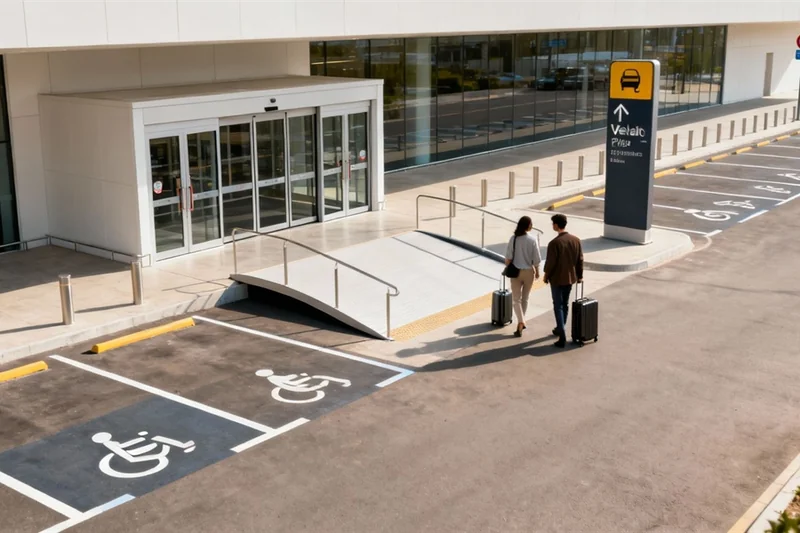
A great guest experience doesn't start when the opening remarks begin; it starts the moment they leave home. The journey to your corporate event venue is a crucial, yet often overlooked, part of the day. Getting the arrival logistics wrong can leave attendees flustered and stressed before they've even walked through the door.
This stage is all about foreseeing and solving potential hurdles. You need to think like a guest: how will they get there, where will they park, and how straightforward is it to find their way inside?
Accessibility for All Attendees
True accessibility goes far beyond a tick-box exercise. It's about ensuring every single person feels welcome and can move around the space with ease and dignity. When you're doing a site visit, try to see the venue through the eyes of someone with different mobility needs.
- Entrances and Pathways: Are there stairs? If so, is there an obvious, well-maintained ramp? Are the doors wide enough for a wheelchair?
- Getting Around Inside: Look for lifts and check they are easy to find and operate. Walk the corridors – are they wide and free of clutter?
- Restrooms: Make sure there are dedicated accessible restrooms. Critically, check that they are clean, signed clearly, and located conveniently to the main event space.
Ensuring your venue is genuinely accessible not only meets compliance but also demonstrates your organisation's commitment to inclusivity, making a welcoming environment for every guest a non-negotiable aspect of your venue selection.
Parking and Transport Logistics
Let's be honest, parking can be a real headache, particularly in bustling centres like Auckland or Wellington. A vague "parking is available" just won't cut it. For any potential function venue hire, you need the specifics.
Find out if there's on-site parking and, crucially, how much. Is it free for your guests, or will they need to pay?
If the venue's parking is limited, your job isn't done. Scope out the nearby public parking buildings, check their rates, and see if you can arrange a discount. For venues in the CBD, being close to a train station or major bus route is a massive plus and a key selling point for attendees.
The final piece of the puzzle is communication. Long before the event, send out clear, simple instructions. Include a map, public transport options, and details on parking costs and locations. This simple step makes a world of difference, ensuring your guests arrive feeling calm and ready to engage.
Locking It In: Navigating Venue Contracts
You've done the hard work and found the perfect corporate event venue. Brilliant! Now it's time to make it official. This final stage - reviewing and signing the contract - is where you lock in every last detail and formalise the partnership. It can feel a bit full-on, but getting your head around the key clauses will give you the confidence you need to sign on the dotted line.
Think of a venue contract as more than just a booking confirmation; it's a legally binding agreement designed to protect both you and the venue. It's crucial to go through the fine print with a fine-tooth comb, paying special attention to payment schedules, cancellation policies, and any liability clauses.
What to Look For in the Fine Print
Before you sign anything, ensure you fully understand all the financial commitments. This includes knowing the deposit amount, the deadline for final payment, and the procedures in case your plans change and you need to cancel or postpone.
Here's what to focus on:
- Deposit and Payment Schedule: Identify the specific dates and amounts. Are the payments associated with certain milestones, like finalising your menu or confirming guest numbers?
- Cancellation Policy: What are the financial penalties if you need to cancel? Most venues have a tiered structure where the penalty increases as the event date approaches. Make sure you comprehend it.
- Liability and Insurance: The contract will specify who is liable for any damages. Verify that you have the necessary public liability insurance in place.
It is crucial to have every detail documented in writing. This includes any agreements about additional equipment, menu changes, or staffing levels, as these can easily be forgotten amidst the planning process. A detailed contract or addendum can prevent any confusion later on and help ensure your event proceeds smoothly.
The business events sector is a massive deal in New Zealand, particularly in hubs like Auckland, Wellington, Christchurch, and Queenstown. A single large conference can pump hundreds of thousands of dollars into the local economy through venue hire, catering, and accommodation. This is why venues are so meticulous with their contracts. Getting every detail locked down in writing is absolutely essential for a successful, high-value corporate event. To get a better sense of the industry's scale, you can check out this Business Events Market Guide focusing on the Queenstown and Wānaka region.
Your Top Questions Answered: Navigating Corporate Venue Bookings
Even with the best plan in place, a few questions always seem to pop up when you're on the hunt for the perfect corporate venue. We've pulled together answers to some of the most common queries we get from clients across New Zealand to help you feel more confident in your search.
How Far in Advance Should I Book?
This is the big one, and the honest answer is: it depends.
For large-scale conferences or any event you're planning during peak season (think November-March), you really need to be looking 9-12 months ahead. For smaller meetings, workshops, or off-peak dates, you can usually get away with 3-6 months.
But a word of warning: the most sought-after venues in high-demand cities like Auckland and Wellington often get snapped up a year or more in advance. My best advice? Start your search as early as you possibly can. It's the single best way to secure your first choice and avoid disappointment.
What Are the Most Common Hidden Costs?
There's nothing worse than a surprise bill after a successful event. Always, always insist on a fully itemised quote to avoid any nasty shocks.
Here are a few of the usual suspects that aren't always included upfront:
- AV equipment hire (projectors, microphones, speakers)
- Security staff or after-hours personnel charges
- Post-event cleaning fees
- Corkage charges if you want to bring your own beverages
- Overtime fees for venue staff who have to stay late
Any professional venue manager will be transparent about their costs, but it's ultimately on you to ask for a complete breakdown before you sign anything.
Can I Use My Own Caterers or Suppliers?
The flexibility varies greatly from one venue to another. Many hotels and dedicated conference centres have exclusive in-house catering and a list of preferred suppliers for services such as AV and decor. Conversely, "dry hire" venues offer a blank canvas, allowing more freedom to bring in your own team. It's crucial to ask about this at the start of your inquiry to ensure the venue's policies align with your event needs.
Another important term you'll encounter is "minimum spend," which refers to the least amount you need to spend on food and beverages, often replacing a standard room hire fee. If your total bill falls short, you'll be required to pay the difference, so it's important to clarify exactly what counts towards this total.
Ready to find the perfect corporate event venue for your next function? At Venue Finder NZ, we make it simple to discover and connect with hundreds of amazing spaces across the country. Start your search today at https://venuefinder.nz.
Related posts

Plan Your Party for Christmas: Top NZ Christmas Party Themes
Discover 10 unique venue & theme ideas for your party for Christmas 2026. Find perfect Auckland, Wellington, or Christchurch locations on Venue Finder NZ.
10 Jun 2026
Reducing Waste at Corporate Events: Practical Ways for Reducing Waste
Explore practical, cost-neutral tips for reducing waste at your next corporate event. Create a greener conference with our concise, actionable guide.
19 Apr 2026

Your Guide to a Sustainable Corporate Event in New Zealand
Plan a sustainable corporate event with our expert guide. Discover eco-friendly venues, waste reduction tips, and how to measure your green impact.
19 Apr 2026