 venuefinder.nz
Your Guide to a Sustainable Corporate Event in New Zealand
So, what does it actually mean to plan a sustainable corporate event? It's about consciously designing an experience that treads lightly on our planet. It comes down to a series of deliberate choices - from the venue you pick and the suppliers you partner with, to how you handle waste and transport - all aimed at reducing your environmental footprint. This isn't just good for the planet; it's a smart move that builds your brand's reputation and connects with what people care about today.
Why Sustainable Corporate Events Matter Now

Here in New Zealand, the expectation for businesses to act responsibly has never been stronger. A sustainable event has gone from a "nice-to-have" to a core part of modern event planning. It's a powerful way to show what your company stands for and that you're invested in the future.
This shift is really being driven by a growing awareness from every direction - clients, employees, and stakeholders. People are actively choosing to support organisations that show a real commitment to environmental responsibility. Hosting a green event signals that your company is forward-thinking and in tune with the community.
More Than Just a Trend
Let's be clear: embracing sustainability in your events is about much more than just looking good. It delivers tangible business benefits. By adopting greener practices, you'll often uncover efficiencies that lead to cost savings, like lower waste disposal fees or reduced energy bills.
It can also be a massive boost for team morale. Employees, especially the younger generation, feel a real sense of pride working for companies that prioritise looking after our environment. A sustainable event can become a source of shared purpose and genuine engagement.
A truly sustainable event is one where every decision, big or small, is made with its environmental and social impact in mind. It transforms a standard gathering into a positive force for change, leaving a lasting impression on attendees long after it concludes.
The Core Pillars of a Green Event
Pulling off a memorable and eco-conscious event really boils down to focusing on a few key areas. Think of these as the building blocks of a solid green strategy:
- Venue and Suppliers: This is your starting point and arguably the most important step. Partnering with venues and vendors who are already on the same page is critical.
- Waste Management: Having a solid plan to reduce, reuse, and recycle is essential for minimising what ends up in landfill.
- Catering Choices: Sourcing local, seasonal food and getting smart about waste can dramatically shrink your event's carbon footprint.
- Energy and Transport: Nudging attendees towards sustainable travel options and choosing energy-efficient venues are key wins.
By concentrating on these elements, you'll have a strong framework for a genuinely sustainable event. As you get deeper into the planning, it helps to understand how to build a winning event strategy to drive real business results so you can weave these green principles in from the very beginning.
Choosing Your Eco-Conscious Venue and Suppliers
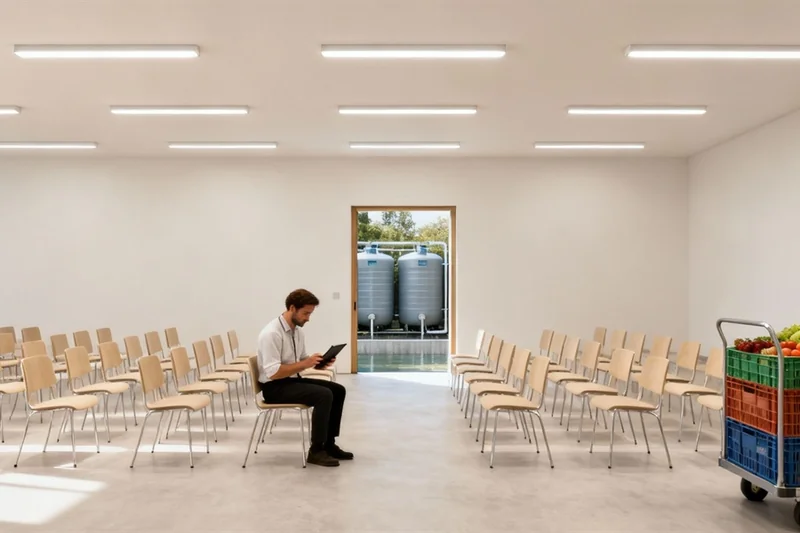
The foundation of a genuinely sustainable corporate event is built long before the first guest arrives. It starts with the partners you choose. Your venue and suppliers aren't just ticking a box; they're your collaborators in bringing your green vision to life. This is where your sustainability goals get real.
Thankfully, you're not alone in this. In New Zealand's event scene, sustainability has moved from a nice-to-have to a core requirement. A recent study found that a huge 68% of NZ event planners now see sustainability as a top priority - that's a massive jump from 52% just two years ago. If you're interested in the data, you can discover more insights about these event trends from Cvent.
What this means for you is that finding partners who share your values is easier than ever. But it also means you need to ask the right questions to see who's genuinely committed and who's just "greenwashing."
What to Look for in a Green Venue
A truly sustainable venue weaves eco-friendly practices into its very fabric. It goes far beyond a few recycling bins in the corner; it's a deep-seated commitment to shrinking their environmental footprint.
Here's what to keep an eye out for:
- Energy Efficiency: Does the venue run on renewable energy, like solar panels? Have they switched to energy-efficient LED lighting? Do they use smart systems that power down when a room isn't in use?
- Water Conservation: Ask about their water-saving fixtures, any rainwater harvesting systems they have, and their general approach to water management. Every drop counts.
- Waste Diversion Programmes: This is a big one. A top-tier sustainable venue will have a robust system for sorting waste into landfill, recycling, and compost. Don't be shy about asking for their diversion rates - the percentage of waste they actually keep out of landfill.
Honestly, choosing a venue with proven green credentials is the single biggest win you can have. They already have the systems, the know-how, and the passion to help you nail your sustainability goals without the hassle.
Vetting Your Suppliers Beyond the Venue
Your commitment to a sustainable event doesn't stop at the venue doors. Every single supplier you bring on board, from the caterer to the AV crew, plays a part.
Start with your caterer. Look for chefs who prioritise local, seasonal ingredients. This not only slashes "food miles" and pumps money back into the local economy, but it also means fresher, tastier food for your guests. Win-win. For a more detailed look, check out our guide on how to choose the right corporate caterer for your event.
The same goes for your tech suppliers. When chatting with AV companies, ask about their gear. Do they use energy-efficient equipment? How do they handle and recycle old tech? Even small shifts, like using digital signage instead of printed banners, add up to a much lighter footprint.
Green Venue and Supplier Vetting Checklist
To make this whole process a bit easier, it pays to have a go-to list of questions. It helps you cut through the noise and quickly see if a potential partner really walks the talk.
Here are a few essential questions to get you started.
| Sustainability Area | Key Questions to Ask |
|---|---|
| Energy & Water | Can you detail your energy and water conservation measures? Do you use any renewable energy? |
| Waste Management | What is your waste diversion rate? Do you offer composting and comprehensive recycling? |
| Catering & Sourcing | Can you provide a menu based on local, seasonal ingredients? How do you minimise food waste? |
| Social Responsibility | Do you partner with any local community or environmental organisations? |
Having these questions ready shows you're serious and helps you make informed, confident decisions that align with your event's core values.
Smart Strategies for Catering and Waste Reduction
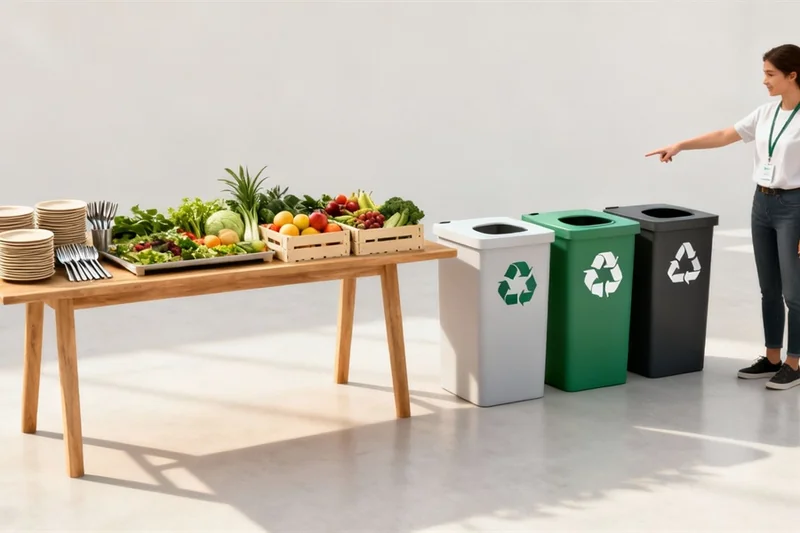
Rethink Your Event Catering
Your menu is one of the most powerful tools you have for creating a sustainable corporate event. As the corporate catering scene bounces back, planners are looking for options that are both cost-effective and kind to the planet. One of the best moves you can make is to source your food seasonally and locally - this simple shift can slash food miles by up to 40%. It's a win-win, supporting local Kiwi producers while shrinking your event's carbon footprint. You can read more about current catering industry trends from IBISWorld.
Here are a few practical ways we've seen this work brilliantly:
- Prioritise Plant-Forward Menus: You don't need to go fully vegetarian. Simply designing a menu that's heavier on plant-based dishes and lighter on red meat makes a massive difference to its environmental impact.
- Embrace 'Nose-to-Tail' and 'Root-to-Stem': Find caterers who are passionate about using whole ingredients. This philosophy minimises food scraps from the get-go, turning potential waste into delicious parts of the meal.
- Accurate Guest Counts: It sounds obvious, but over-ordering is the number one cause of food waste. Chase down those RSVPs and give your caterer the most accurate headcount possible. It's one of the easiest wins.
- Plan for Leftovers: Good food should never end up in the bin. Set up a partnership with a local food rescue organisation before the event to arrange for any safe, untouched leftovers to be donated.
For more inspiration, we've put together some helpful tips on arranging corporate catering for your next event.
Implement a Zero-Waste Strategy
A truly effective waste reduction plan doesn't start when the bins are rolled out on event day. It starts right back at the planning stage, with one simple question: what can we eliminate entirely? The most effective way to manage waste is to not create it in the first place. Every single-use item you avoid is a direct win for the environment and a step towards a truly circular event model.
Your goal should be to move away from the throwaway mindset. Ditch the single-use plastic water bottles and set up stylish water stations with reusable glasses instead. Swap printed programmes and signage for digital versions. If you absolutely must use disposables, make sure they are certified compostable and - crucially - that you have the correct bins to handle them.
Make Recycling and Composting Easy
Even with the best plan, you'll have some waste. The key is making sure it ends up in the right place, and that means making it dead simple for your guests to do the right thing. A well-communicated, clearly labelled system is non-negotiable.
Set up waste sorting stations in high-traffic areas like near the catering tables and exits. Each station needs three distinct bins: Landfill, Recycling, and Compost/Organics. Use bold, colour-coded signs with pictures showing exactly what goes where. Trust us, visuals make all the difference.
A quick announcement at the start of the event can also work wonders. It lets attendees know you're serious about your sustainability goals and encourages them to get on board.
Minimising Your Event's Carbon Footprint
While smart catering and waste management are huge wins, an event's carbon footprint often extends far beyond the venue walls. We've found the biggest culprits are often travel and energy consumption, but with some clever planning, you can make a serious dent in their impact.
Tackling travel emissions is a non-negotiable part of planning a truly sustainable corporate event. Your first move should be making it dead simple for attendees to choose greener transport.
Before you lock in a venue, check how close it is to public transport links like bus stops or train stations. You can then shout about these options in your event comms - maybe even provide schedules or journey planners to make the choice a no-brainer for your guests.
Promoting Sustainable Transport Choices
Encouraging greener travel doesn't stop with public transport. There are a few other simple strategies you can use to nudge attendees in the right direction.
- Promote Ride-Sharing: Set up a simple system where attendees can coordinate carpooling. This could be a shared doc or even a dedicated channel in your event app.
- Encourage Active Travel: If your venue is nice and central, highlight nearby accommodation options that are within easy walking or cycling distance.
- Offset Unavoidable Travel: For delegates who absolutely have to fly, look into partnering with a reputable carbon offsetting programme to help mitigate those emissions.
The Power of the Hybrid Event Model

Let's be honest, for events that draw people from all over New Zealand, the carbon cost of air travel can be pretty hefty. This is where a hybrid event model becomes a true game-changer, blending the best of in-person and virtual experiences.
By offering a high-quality virtual component, you can dramatically slash travel-related emissions. It's also a fantastic way to make your event more accessible and inclusive for those who can't travel. Corporate event planners here in NZ are increasingly using this format as a powerful sustainability tool, and it's easy to see why.
A well-executed hybrid event isn't just a compromise; it's an upgrade. It expands your reach, shrinks your environmental impact, and shows you're a modern, flexible organisation.
Smart On-Site Energy Management
Finally, don't overlook the energy being chewed up at the venue itself. Even small adjustments can add up to significant savings. When you're scouting for a space, ask if they run on renewable energy - many modern venues are proud of their green credentials and will be happy to tell you.
During the event, work with the venue staff to use natural light as much as possible, cutting down the need for artificial lighting. Make sure all AV equipment, projectors, and screens are powered down completely during breaks and overnight, not just left on standby. These simple, practical steps are vital for shrinking your event's overall environmental footprint.
For a deeper dive into this, you might be interested in our article on how event technology can elevate your NZ virtual and hybrid events.
Measuring and Communicating Your Success
Right, you've put in the hard yards to plan a genuinely sustainable event. Don't let that effort go unnoticed. It's time to show everyone what you've achieved, and just as importantly, why it matters.
Telling your green story isn't just about a feel-good pat on the back. It's how you prove your brand's commitment, get your attendees invested, and turn a single event into a powerful statement about what you stand for.
This isn't something you tack on at the end, either. Start weaving this narrative into your communications right from the get-go. A quick line in an invitation email or on the registration page like, "We're aiming to make this a zero-waste event and we'd love your help to get there," is all it takes to plant the seed and get people on board.
When the event day rolls around, keep that conversation going. Simple, clear signs by the recycling bins explaining what goes where, or a quick mention from the MC about the delicious, locally sourced kai everyone's enjoying – these small touches make a big difference. It's not about preaching; it's about sharing the positive story you're all creating together.
Getting Real with Your Numbers
To really understand your impact, you need to look past the good intentions and get into the data. This is where Key Performance Indicators (KPIs) come in. They're just specific, measurable goals that turn your green ambitions into tangible results.
Here are a few key metrics we always recommend tracking:
- Waste Diversion Rate: This is the big one. It's the percentage of total event waste that you kept out of landfill by recycling or composting. Aiming for 80-90% is a fantastic, achievable target for most corporate events.
- Carbon Footprint: This might sound complex, but you can get a good estimate of the total emissions from things like attendee travel and venue energy use. It gives you a solid baseline to improve on next time.
- Local Sourcing Percentage: A great way to show community support. Track what percentage of your catering budget was spent with suppliers within a certain radius, say, 100 kilometres.
- Water Consumption: Ask your venue if they can provide data on the total water used during your event. It's another simple but powerful metric to track.
Having these numbers lets you report back with concrete facts, turning a vague goal into a clear success.
A follow-up email that celebrates a win like, "Thanks to you, we diverted 85% of our event waste from landfill!" is incredibly powerful. It makes your guests feel like part of the achievement and reinforces that your company genuinely walks the talk.
A Simple Way to Track Your Success
You don't need fancy software for this. A straightforward spreadsheet is often the best tool to keep everything organised. It helps you see your goals, track your actual results, and pinpoint what worked well and what you could do even better next time. This data is gold when you're showing stakeholders the value of running events this way. Here's a simple template to get you started on tracking your event's key sustainability metrics.
Sustainable Event Measurement Template
| Metric | Goal | Actual Result | Notes |
|---|---|---|---|
| Waste Diversion Rate | 85% diverted from landfill | 88% | Great attendee participation with compost bins. |
| Attendee Travel | 40% use public transport or carpool | 35% | Need to promote ride-share options earlier. |
| Food Waste | Less than 5kg of surplus food | 3kg (donated) | Accurate headcount was key to this success. |
| Digital Engagement | 100% digital ticketing and info packs | 100% | Smooth process, saved over 500 printed pages. |
By consistently measuring your efforts and sharing the results openly, you do more than just run a green event. You build a compelling story of positive change that strengthens your brand and, hopefully, inspires a few others to follow suit.
FAQs About Sustainable Events
Got a few questions about planning a sustainable event? You're not alone. It's a journey, and it's natural to have queries pop up along the way. Here are some of the most common ones we hear from corporate event planners across New Zealand, with practical advice to get you started.
Are Sustainable Corporate Events More Expensive to Run?
Not necessarily. It's a common myth that going green automatically blows the budget. While some eco-friendly choices might have a higher upfront cost, many sustainable practices actually lead to significant savings.
Think about it: reducing food waste by ordering accurately, going digital with invites and event materials, or choosing a venue with energy-efficient systems all cut down your final bill. The trick is to weave sustainability into your budget right from the start. Focus on the long-term value, not just the initial spend. Many of the fantastic green venues we work with offer super competitive rates, proving you don't have to choose between your budget and your values.
How Can I Encourage Attendees to Get On Board?
This one's all about great communication. You want to bring your guests along for the ride and make them feel like they're part of something positive.
Start by mentioning your green goals in the event invitation and on the registration page. At the event itself, use clear, simple signs for your waste sorting stations. You could even get the MC to give a quick, positive shout-out about your initiatives, like the locally sourced menu or the absence of single-use plastics.
Afterwards, share the results! A follow-up email saying, "Thanks to you, we diverted 85% of our event waste from landfill!" is incredibly powerful. When people see their direct impact, they're far more likely to get involved next time.
Where Do I Start If I Am New to This?
The key is to start small and focus on a few high-impact changes. Don't feel like you have to do everything perfectly on your first go. The easiest wins for a sustainable corporate event are usually found in waste reduction and catering.
Honestly, the best first step is to pick a venue that already has solid sustainability credentials. They'll do a lot of the heavy lifting for you. From there, concentrate on eliminating single-use plastics and working with your caterer to create a delicious menu using local, seasonal produce. Every small step really does add up to a much bigger, positive impact.
Ready to find the perfect sustainable venue for your next corporate event? With Venue Finder NZ, we make it easy to discover eco-conscious spaces across New Zealand that align with your values. Start your search today and plan an event that's not just memorable, but meaningful too.