 Venue Finder
How to Cater for Dietary Requirements at Corporate Events Without Stress
11 Jan 2026 by Venue Finder NZ
Let's be honest, the food can make or break a corporate event. Great corporate catering is so much more than just a meal; it's a direct reflection of your company's brand, a fantastic tool for engagement, and a massive part of the overall guest experience. It has the power to turn a standard meeting into a standout event that genuinely boosts morale and leaves a lasting positive impression.
Why Great Corporate Catering Is More Than Just Food
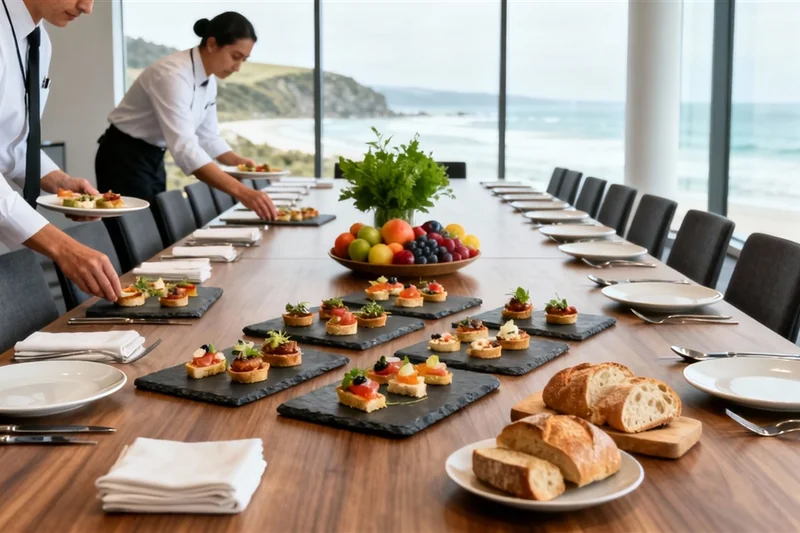
Thoughtful catering really sets the tone for the entire function. It transforms a simple gathering into a powerful statement about your company's culture and how much you appreciate your people. When you get it right, it makes employees and clients feel properly valued, creating an atmosphere of genuine hospitality that encourages connection and conversation. It's a real investment in the experience, ensuring guests remember how they felt long after the event wraps up.
The good news is that event planners in New Zealand have never had more choice. The catering scene here is buzzing, with the number of businesses now reaching 929 establishments. That's a 1.5% increase from the previous year, which shows just how much the corporate events market is expanding. You can dig into more stats on the growing Kiwi catering sector over on ibisworld.com.
Beyond the Menu
Success comes from seeing catering as a strategic piece of your event puzzle. This guide is all about moving beyond the basics and giving you practical advice on navigating the tricky details - from complex dietary needs to budget realities and venue logistics. The right food can achieve so much:
- Boost Engagement: A fantastic meal gives attendees something positive to talk about, breaking the ice and getting people networking naturally.
- Reflect Your Brand: Whether it's a gourmet, locally-sourced menu or fun, themed food stations, your catering choices say a lot about your company's values and style.
- Improve Focus and Morale: Well-fed attendees are happy and productive attendees. Providing quality food shows you care about their well-being, which is absolutely essential for all-day conferences or intensive workshops.
Ultimately, organising exceptional food service is a core part of successful event management. For more on this, check out our article covering corporate event planning tips to ensure success. We'll show you how we simplify this whole process, connecting you with New Zealand's best caterers to make sure your event is a delicious success from start to finish.
Choosing a Catering Style That Fits Your Event
The style of service you choose does more than just feed your guests; it sets the entire tone for your event. The format of your corporate catering dictates the flow of conversation, the level of formality, and the overall energy in the room. Getting this choice right is crucial to hitting your event's goals, whether you're trying to encourage networking or celebrating a massive company milestone.
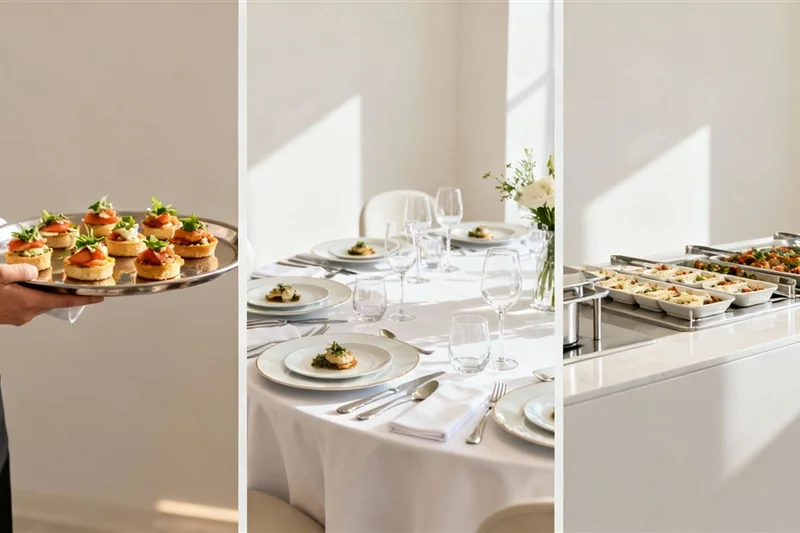
From formal dinners to casual lunches, each style creates a completely different atmosphere. The key is to match the catering format not just to your budget, but to the very purpose of the gathering itself.
Canapés and Cocktail Service
This is your go-to for networking events, product launches, or pre-dinner drinks where you want people to mix and mingle. With servers circulating with bite-sized morsels, guests aren't stuck at a table and can move freely around the room. It's a brilliant way to spark conversations and build a vibrant, social buzz.
Think of it less as a full meal and more as a way to fuel connections over delicious, easy-to-eat food. It's an elegant and practical solution for any stand-up event where interaction is the main goal.
The Formal Plated Dinner
For those big moments - awards nights, gala dinners, or major corporate celebrations - nothing beats the sophistication of a plated, multi-course meal. This is the most formal style of corporate catering, where guests are seated and served individual courses right at their tables.
It creates a structured, high-end experience that's perfect for holding your audience's attention for keynote speakers, presentations, and a tightly-run event schedule. While it does come with a higher price tag due to the extra staff and coordination involved, a plated dinner sends a powerful message of appreciation to your guests.
Versatile Buffets and Food Stations
Buffets strike a fantastic balance between variety and casual interaction, making them an absolute winner for large conferences, team-building days, or festive Christmas parties where you want a more relaxed vibe. Guests love being able to choose exactly what they want and how much, which is a lifesaver for accommodating different tastes and appetites.
A well-organised buffet avoids long queues by having multiple service points and a logical flow, with interactive food stations like a build-your-own taco bar or a dessert creperie, turning the meal into an engaging activity. This format is generally more budget-friendly for larger groups than a plated meal and fosters a wonderfully communal atmosphere.
Practical Working Lunches
Designed for pure efficiency, working lunches are the default for all-day training sessions, workshops, or internal board meetings. The focus here is on providing nutritious, easy-to-handle food that can be eaten with minimal fuss or disruption. You'll typically see gourmet sandwich platters, individual boxed lunches, or light buffet-style salads and proteins. The mission is simple: refuel your attendees and keep them focused without a long, formal break.
For more insights on catering style choices, check out our blog, Corporate Catering Menus That Keep Attendees Energised (Not Sluggish).
How to Handle Dietary Needs Without the Stress
Let's be honest: managing a long list of dietary needs used to be a niche concern. Now, it's just part of the job. In corporate catering, getting this right is non-negotiable. It's not just about avoiding a bad reaction; it's about making every single guest feel seen, valued, and properly looked after.
When you nail this, you turn a potential logistical nightmare into a seamless part of your event's success. The reality is, a decent chunk of your attendees will have some sort of dietary requirement, whether it's a serious allergy, a cultural need, or a lifestyle choice. Overlook this, and you risk making people feel excluded or, worse, putting their health at risk.
Collecting Dietary Information Effectively
A stress-free experience begins with gathering clear, accurate information from the outset. A vague "any dietary needs?" tick-box on the registration form is no longer sufficient. Best practice involves asking for specifics.
Your registration process should delve deeper. Instead of merely asking if someone has a requirement, inquire what it is and how severe it is.
- Use a Text Box: Replace the dropdown menu with a free-text field for guests. This approach helps distinguish between someone who prefers to avoid gluten and a guest with coeliac disease requiring strict cross-contamination protocols.
- Ask About Severity: A straightforward question regarding the seriousness of an allergy is invaluable for your caterer. It enables them to prioritise and discern between preferences and potentially life-threatening conditions.
- Set a Clear Deadline: Clearly communicate the cut-off date for dietary requests. This provides your caterer with a realistic timeframe to plan menus and source the appropriate ingredients without any last-minute panic.
In crafting your inquiries, express them positively to emphasise good hospitality. For example, you might state, "To ensure a wonderful dining experience, please inform us of any dietary requirements or allergies we should be aware of."
Common Requirements and How Caterers Manage Them
Any professional caterer worth their salt will be well-versed in handling the usual suspects. They'll know the ins and outs of preparation and service for each requirement, and businesses are investing more in quality catering because they know how important these details are.
Here's what you should expect from a quality catering partner:
- Gluten-Free (GF): For coeliac guests, this is non-negotiable. It means separate chopping boards, utensils, and fryers to prevent any cross-contamination.
- Dairy-Free (DF): This goes beyond just avoiding milk. A good caterer will have fantastic dairy-free alternatives for sauces, dressings, and even desserts.
- Vegan (VG): No animal products at all - that includes meat, dairy, eggs, and even honey. An experienced caterer will create flavourful, creative vegan dishes that don't feel like an afterthought.
- Halal: This requires meat from a certified supplier, prepared according to Islamic law, with absolutely no pork or alcohol used in the cooking process.
Creating an Inclusive and Safe Experience
The goal is to make every guest feel completely integrated, not singled out. A sad-looking plate of steamed vegetables delivered to one person while everyone else enjoys a beautiful meal is a clear sign of poor planning.
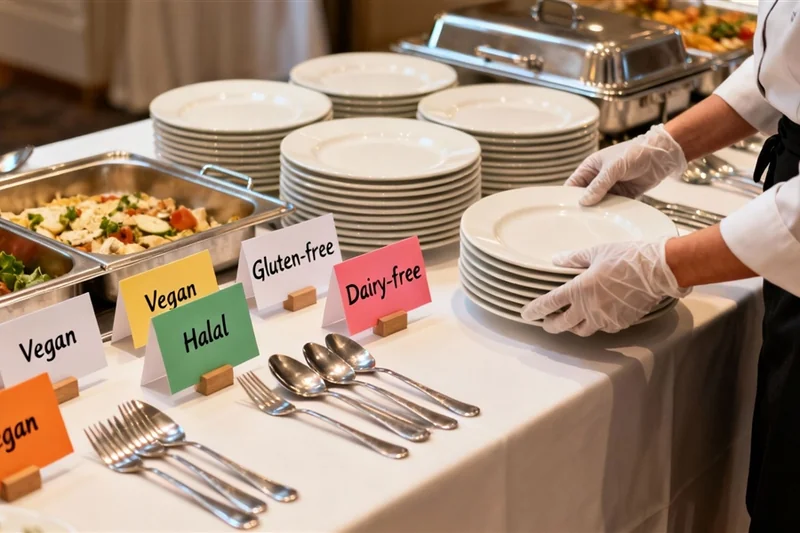
Great caterers weave special meals seamlessly into the main service. For a buffet, this means clear, elegant labels on every single dish listing common allergens (GF, DF, VG, Contains Nuts). For a plated meal, the service staff should be briefed to discreetly confirm the guest's requirement before placing their meal in front of them.
And when it comes to severe allergies, risk management is everything. Your caterer must have a rock-solid plan to prevent cross-contamination, both in the kitchen and at the buffet line. This also means having knowledgeable staff on-site who can confidently answer any questions about what's in the food.
By choosing a professional who truly gets these details, you can deliver an exceptional dining experience for absolutely everyone. For more advice on finding the right partner, check out our guide with tips for choosing the right corporate catering partner.
Building a Realistic Corporate Catering Budget
Let's talk money. Setting a realistic budget is the very first step to a successful event, but trying to figure out corporate catering costs can feel like you're guessing in the dark. Prices can swing wildly depending on the service style, menu complexity, and guest numbers, so knowing what you're paying for is absolutely key.
Being upfront with your caterer about your budget isn't a sign of weakness; it's a strategic move. Honestly, it's the best thing you can do. It empowers them to get creative and suggest cost-effective solutions that are actually right for your event, rather than just showing you the top-shelf options. A clear budget helps them guide you to the best value without cutting corners on quality, like suggesting delicious seasonal ingredients or a service style that better fits your numbers.
Price Per Head Estimates in New Zealand
To give you a starting point, here are some typical price-per-head brackets for different catering styles in New Zealand. Think of these as a rough guide – they can definitely fluctuate based on your specific menu choices, region, and the caterer you choose.
- Working Lunch: For platters or individual boxed meals, expect to budget around $20 - $35+ per person.
- Canapés & Cocktail: For a stand-up event with circulated bites, a good starting point is $40 - $75+ per person, depending on how many canapés you want and how fancy they are.
- Buffet Style: A generous buffet with a good variety often ranges from $65 - $100+ per person.
- Plated Dinner: For a more formal, multi-course meal, costs typically start at $110 - $180+ per person and can easily go higher for premium menus with more courses.
These figures usually just cover the food itself. You'll always want to clarify with your caterer exactly what's included in their per-head price.
Breaking Down a Catering Quote
When you get a quote back, it will likely be broken down into several parts. Understanding these line items is essential to avoid any unexpected surprises later on. A standard quote for full-service corporate catering typically includes:
- Food Cost: This is the main expense, calculated per person.
- Staffing: This covers the chefs, waitstaff, and supervisors needed for your event, including their time for setup and pack-down. The number of staff will change significantly depending on the service style.
- Equipment Hire: If your venue doesn't have a full commercial kitchen, your caterer might need to hire items like ovens, warmers, or other essential gear.
It's common for people to overlook the 'extras' such as beverage packages, specialty linen, glassware hire, and travel fees for remote venues, which are often quoted separately. Always request a full, itemised breakdown to see the complete picture.
Smart Ways to Manage Your Budget
A tight budget doesn't mean you have to settle for sad sandwiches. With a bit of smart planning, you can host a memorable event that feels generous without breaking the bank.
One of the most effective ways to manage costs is to choose a menu that heroes seasonal, locally sourced ingredients. Not only does this support local Kiwi producers, but it also means the food is at its peak freshness, more flavourful, and generally much more affordable.
Another great tip is to match your service style to your guest count. For a large conference, a stylish buffet is almost always more cost-effective than a plated three-course meal, which needs a huge number of service staff. By being flexible with your approach, you can deliver an impressive experience that still respects your bottom line. We have plenty of excellent venues and caterers who are pros at finding creative solutions for any budget.
Finding the Perfect Catering Partner for Your Event
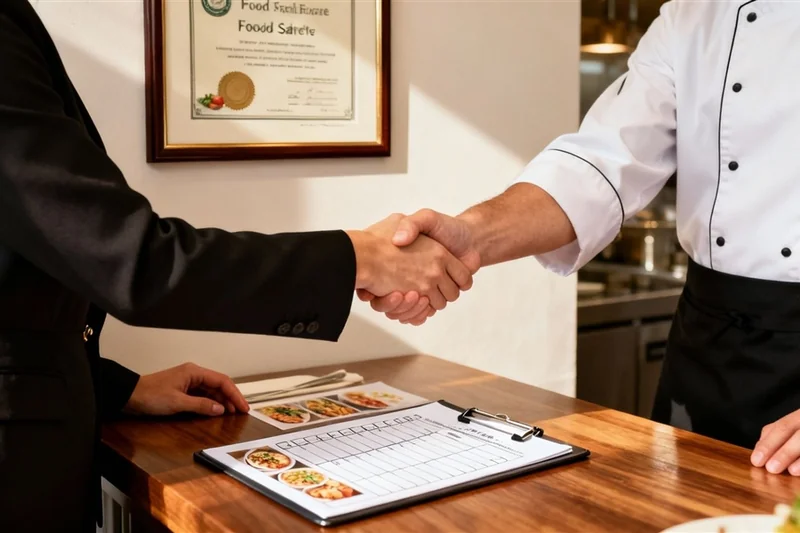
Choosing a caterer is about so much more than just the food. You're looking for a reliable partner who gets the unique demands of a corporate function - someone who becomes an extension of your team on the day.
Let's be honest, their performance directly reflects on your company's brand. From punctuality to presentation, every detail counts, making this a decision that carries real weight. You need a team with proven experience in corporate catering, who won't buckle under the pressure of tight schedules and high expectations.
Key Questions to Ask Potential Caterers
Before you sign on the dotted line, you need to ask the right questions. This isn't just about ticking boxes; it's about building confidence that they can deliver a seamless experience when it matters most.
Here are a few crucial questions we always start with:
- Experience: "Can you share a few examples of corporate events you've catered that are similar in size and style to ours?"
- Logistics: "What's your process for coordinating with venues, especially if it's a space you haven't worked in before?"
- Dietary Management: "How do you manage and communicate severe allergy requirements between the kitchen and your front-of-house staff?"
These kinds of questions shift the conversation from "what do you cook?" to "how do you operate?"-and that's far more revealing about their professionalism and reliability.
Your Corporate Catering Questions Answered
When you're deep in the details of planning an event, a lot of questions about catering can pop up. To help you feel confident as you get closer to the big day, we've pulled together answers to some of the most common queries we hear from event organisers across New Zealand.
How Far in Advance Should I Book a Caterer?
This is a great question, and the answer really comes down to the scale of your event.
For bigger functions like conferences, awards nights, or the all-important Christmas party, we'd strongly recommend locking in your caterer 3-6 months in advance. You'd be surprised how quickly popular dates get snapped up, especially around the holidays.
If you're planning something smaller and more straightforward, like an internal workshop or a working lunch for the team, giving 2-4 weeks' notice is usually plenty of time. Booking early doesn't just secure your first choice; it also gives them the breathing room to plan a fantastic menu with you.
What's the Difference Between In-House and External Catering?
In-house catering is handled directly by the venue, which can be a wonderfully simple option. The team already knows the kitchen inside and out, understands the layout, and has the logistics down pat, making for a very smooth operation.
An external caterer, on the other hand, is an independent company you hire to come into your chosen venue. This often opens up more menu flexibility and lets you tap into specialised cuisines. The most important thing here is to double-check that your venue actually allows external suppliers before you sign any contracts. We can help you find venues that accommodate both arrangements.
Does the Caterer Provide All Their Own Equipment?
Usually, a full-service caterer will bring all the necessary cooking gear, serving dishes, cutlery, and glassware. However, you can't always assume this, especially if your venue has limited kitchen facilities or is more of a "dry hire" space. It's crucial to clarify these details when receiving a quote by asking for an itemised list of what's included and what might need to be hired separately. This simple step helps you avoid any nasty surprises or unexpected costs for things like ovens, tables, or linens down the line.
What Happens to Leftover Food After an Event?
This is something we get asked a lot. Policies on leftover food vary between caterers, and it's largely because of New Zealand's strict food safety regulations. Once food has been sitting out on a buffet for a period of time, it often can't be safely given away or packed up for guests.
Some caterers might be able to package up certain untouched items for you, while others have fantastic partnerships with food rescue charities to donate surplus, safely-handled food. The best approach is always to bring this up with your caterer beforehand so you know exactly what their policy is and can plan accordingly.
Ready to find the perfect catering partner for your next corporate event? At Venue Finder NZ, we connect you with New Zealand's best caterers and venues, all in one place. Start exploring your options and get quotes today.
Related posts

Corporate Catering Menus That Keep Attendees Energised, Not Sluggish
Discover corporate catering menus that boost productivity and engagement. Learn how to plan food that keeps your attendees energised, not sluggish.
11 Jan 2026

How to Choose the Right Corporate Caterer for Your Event
Discover how to choose the right corporate catering for your NZ event. Our guide covers key questions, red flags, and essential booking timelines.
1 Jan 2026

How to book the right caterer for your corporate events
Booking a caterer for your business event can be stressful, but can help set the tone and impress your clients.
4 Feb 2021