 Venue Finder
Event Technology: Elevate NZ Virtual & Hybrid Events
26 Jan 2026 by Venue Finder NZ
Let's be honest, event technology is no longer just a nice-to-have; it's the digital backbone of nearly every successful event in New Zealand today. Think of it as your complete toolkit of apps, software, and hardware that makes everything from planning to execution feel less like a frantic scramble and more like a well-oiled machine.
In a world of hybrid and virtual events, a tech glitch isn't just a minor hiccup - it can seriously dent your reputation.
Understanding Modern Event Technology
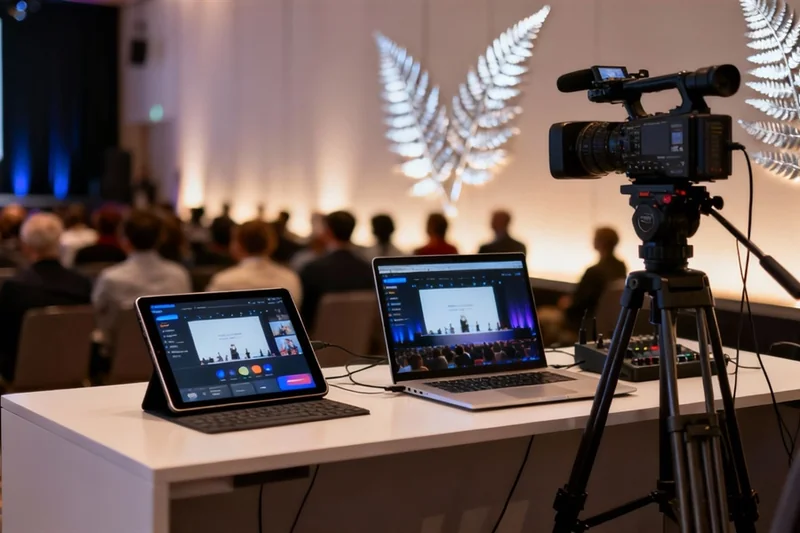
This tech covers every single stage of your event's life, from the very first brainstorming session right through to sending out post-event thank yous and analysing the data. Whether you're juggling suppliers for a stunning Queenstown wedding or pulling together a major corporate conference in Auckland, these tools are what keep all the moving parts in sync.
Imagine you're running a company-wide virtual conference. The right tech stack ensures your live stream is crystal clear, your audience can jump into Q&A sessions without a hitch, and you get powerful insights into what content really resonated with them afterwards. This digital infrastructure is just as crucial as the physical venue for an in-person gathering.
To give you a quick overview, here's a look at the main categories of event tech and what they do.
Key Event Technology Categories at a Glance
- Event Management Software: The command centre for planning, budgeting, and team collaboration.
- Registration & Ticketing Platforms: Smooth, secure systems for managing attendee sign-ups and payments.
- Mobile Event Apps: Puts schedules, maps, and networking tools in every attendee's pocket.
- Virtual & Hybrid Event Platforms: The digital stage for live streaming, online networking, and virtual booths.
- Attendee Engagement Tools: Interactive tech like live polling, Q&As, and gamification to keep people involved.
- Venue & Supplier Sourcing: Online directories to discover and book the perfect spaces and vendors.
The Core Components
At its heart, event technology is all about automating the tedious, manual tasks that used to consume so much of our time. This allows you to concentrate on what really matters: creating an incredible, memorable experience for your guests.
The main buckets these tools fall into are:
- Planning and Management: Software to map out your project timelines, manage your budget, and coordinate all your vendors.
- Registration and Ticketing: Online platforms that make signing up and paying for a ticket effortless and secure for your attendees.
- Attendee Engagement: Interactive tools like mobile apps, live polls, and virtual breakout rooms that encourage participation and interaction.
- Venue and Supplier Sourcing: Digital platforms designed to help you find the perfect location and connect with the best vendors for the job.
Technology’s real function is to eliminate friction, enabling you to focus your creative energy on the elements that make an event feel special and leave a lasting impact on everyone there.
Finding the right partners is always a crucial first step. If you're on the hunt for the ideal space or service provider, our nationwide directory of New Zealand venues and suppliers is a great place to start connecting with trusted professionals. Now, let’s dive into the key technologies that will help you deliver a truly seamless event.
The Core Tech for Virtual and Hybrid Events

When you're running a virtual or hybrid event, some bits of tech are simply non-negotiable. They're the foundation everything else is built on. A tech failure here isn't just a small hiccup; it can sink your credibility in an instant.
Think of a solid streaming platform as your digital main stage. It absolutely must be reliable, scalable, and easy for every single attendee to use, no matter how tech-savvy they are. This is the pipeline delivering your content, and any crack in it will be glaringly obvious to everyone watching.
Working hand-in-hand with this is the virtual event platform, which is essentially the digital twin of a physical venue. This is where your attendees will find everything they need, from networking lounges and exhibitor booths to breakout sessions and resource libraries.
The Digital Venue Experience
Imagine a major corporate conference taking place at a premier venue. A well-chosen virtual platform can seamlessly connect the people in the room with speakers dialling in from across the globe, allowing everyone to interact in real-time. It's this smooth integration that determines the success of a hybrid event.
So, what does this core event technology stack look like?
- High-Quality Streaming Software: This ensures your video and audio come through crystal clear for anyone tuning in remotely. No one wants to watch a pixelated, buffering stream.
- An Interactive Virtual Platform: This serves as the central hub that holds the agenda, runs live Q&A sessions, and provides a space for people to connect and network.
- Reliable Hardware: For the in-person aspect, you need professional cameras, microphones, and lighting to ensure your broadcast looks and sounds polished.
Getting this foundational technology right is crucial as it prevents technical glitches and provides a professional, engaging experience for both in-person and virtual attendees. The right gear makes a significant difference, so it's well worth exploring options for professional event equipment hire to guarantee your production quality meets everyone's expectations. Think of this investment in your core tech as an investment in your event's success.
How to Boost Attendee Engagement with Tech
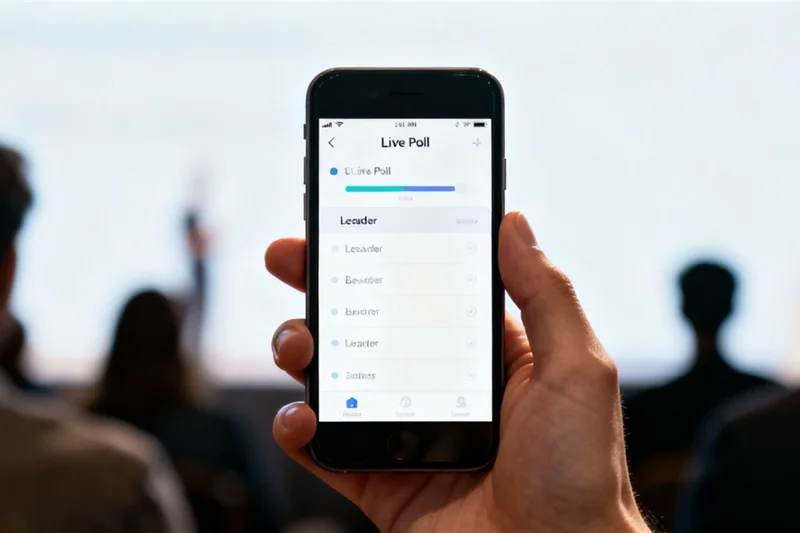
Once you've got your core streaming and platform tech sorted, the next mountain to climb is keeping your audience hooked. For any virtual or hybrid event, holding onto people's attention is the name of the game, and the right event technology is your best mate for turning passive viewers into active participants.
It's all about creating those moments of connection and interaction. Simple tools like live polling and Q&A sessions can instantly make a virtual event feel more alive, letting your audience chip in with their thoughts and even steer the conversation in real-time. Suddenly, that distance between the speakers and the folks at home just melts away.
Creating An Interactive Hub
A dedicated mobile event app serves as a central hub where attendees can access everything they need in one place.
- Agendas and Speaker Profiles: Attendees gain instant access to session schedules and background information on speakers.
- Networking Opportunities: Built-in messaging features enable attendees to connect and chat directly with each other.
- Push Notifications: Timely reminders for upcoming sessions or important announcements keep everyone informed effortlessly.
The app acts as the digital pulse of your event, helping your audience stay organised and engaged. It ensures they don't miss valuable content or networking opportunities, regardless of their location. By simplifying and enhancing participation, the event experience evolves from a one-way broadcast into a dynamic, interactive conversation.
Making Engagement Fun
Gamification is a brilliant way to inject a bit of energy into proceedings. Introducing things like digital leaderboards for participation points or even virtual scavenger hunts creates a fun, competitive vibe that encourages people to get involved. For a corporate kick-off, this could mean rewarding team members who ask the most insightful questions during a Q&A.
This same principle applies to creating memorable, fun moments. For instance, you could bring in a digital photo booth to add a social element. If you're planning an in-person component, our guide to photo booth hire has plenty of ideas to make your event even more memorable.
Streamlining Your Planning Process
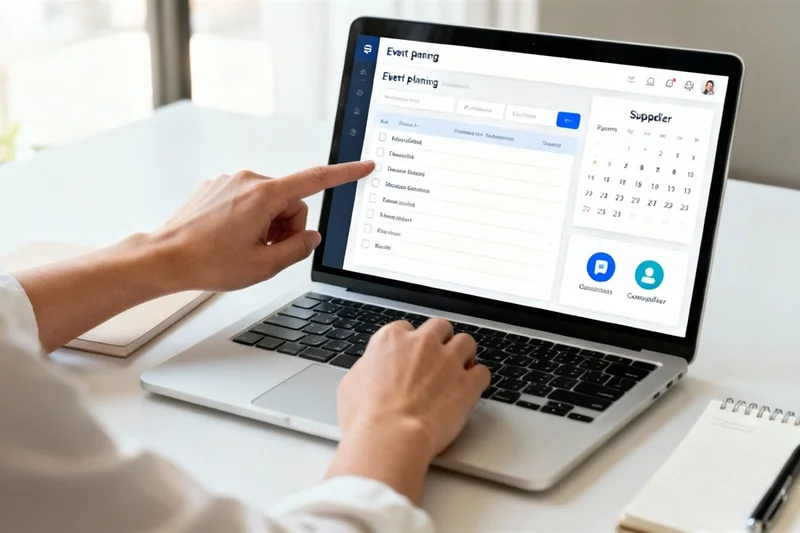
Sure, event technology is great for dazzling attendees, but some of its most powerful work happens behind the scenes, long before the first guest arrives. Think of event management software as your digital command centre - a single place to wrangle all the moving parts, from the first spark of an idea right through to the post-event wrap-up.
Most of these platforms come with built-in tools for online registration and ticketing. This isn't just about making payments easier; it gives you a live, real-time picture of who's coming, so you can stop guessing and start planning with solid numbers from day one.
And then there's the project management side of things. These tools are lifesavers for keeping your team on the same page, tracking deadlines, and managing all your supplier chats in one spot. No more digging through emails to find that one crucial detail.
Centralising Your Event Management
Imagine you have been tasked with organising the annual corporate retreat. Instead of a messy spreadsheet and a dozen different email threads, you can use a single dashboard. From here, you manage the attendee list, share floor plans with the venue, and coordinate everything with your caterers and transport providers. It's a complete change for efficiency.
This isn't just a nice-to-have anymore; it's how modern events get done in New Zealand. The 2025 Event Industry Report for ANZ found that 72% of NZ conference organisers now rely on venue management software for tasks like comparing spaces and sending out enquiries to multiple vendors. That's a significant 28% increase since 2022, showing just how quickly the industry is embracing smarter, digital ways of working.
A great software suite can manage the whole event lifecycle, but the most important step is always securing the right partners. A smooth planning process begins with a straightforward and effective search for your venue and suppliers. We help you nail this first, vital stage by connecting you directly with the best in the business. This foundational step is something we explore further in our guide on how to plan your event successfully, which is packed with more practical advice.
Choosing The Right Event Technology Stack
Picking the right mix of event technology doesn't have to be a headache. The trick is to break it down into simple, practical steps, making sure every tool you bring on board has a clear job to do for your specific event.
First things first, what are you actually trying to achieve? Are you focused on selling as many tickets as possible, keeping your attendees glued to the action, or gathering useful data for your sponsors? Your goals will point you straight to the kind of tech you need. From there, think about how tech-savvy your audience is and lock in a realistic budget to keep your choices grounded.
But if there's one thing to get right, it's integration. Your different tools absolutely must 'talk' to each other, otherwise you're signing up for a nightmare of manual data entry and a clunky experience for your guests. A classic example is making sure your registration platform automatically pushes new sign-ups to your mobile event app. That simple connection creates a smooth, professional flow of information from the get-go.
Making an Informed Decision
Before you sign on any dotted line, always ask for a live demo. It's the only way to see the technology in action and ask providers questions specific to your event's needs. It's also wise to check for reliable, local New Zealand support - you'll appreciate it if a technical issue arises on the day.
- Define Your Goals: Be clear on what you need your tech to achieve.
- Know Your Audience: Choose tools that are easy and intuitive for your attendees.
- Prioritise Integration: Ensure your platforms work well together to avoid manual tasks.
- Request Live Demos: Never make a purchase without seeing exactly what you're getting.
For hybrid and virtual event formats, a venue's built-in tech setup can be highly beneficial. Tech-equipped venues, especially in Auckland or Christchurch, often have their own streaming equipment and high-speed internet available. This can greatly simplify your planning and reduce costs.
The best event technology goes unnoticed by attendees. It operates so seamlessly in the background that it enhances the experience without becoming a distraction or source of friction.
Here in New Zealand, technology has significantly changed the approach planners take to find and book venues. The New Zealand Events Industry Market experienced a substantial increase in tech adoption after 2020, with digital booking systems rising by over 45% between 2021 and 2023. You can find more insights on the New Zealand events market at 6wresearch.com.
Now, let's tackle some of the big questions we frequently get about event tech. When in the midst of planning, it's easy to get caught up in the details, so here are some straightforward answers to common queries from Kiwi event professionals.
What's The Most Important Piece of Tech for a Hybrid Event?
Honestly, for any hybrid event, it all comes down to two things: top-notch audio-visual (AV) gear and a rock-solid streaming platform. These are non-negotiable. If your audience tuning in from home can't see or hear what's going on properly, you've lost them from the get-go.
Think of it like this: your AV equipment is their eyes and ears on the ground, and the streaming service is the connection that brings it all to them. Without crisp sound and a steady, high-def video feed, your key messages will fall flat. Worse, both your in-person and virtual event guests will feel completely disconnected, which pretty much defeats the whole purpose. A tech glitch here can really damage your credibility, and fast.
How Can I Make Sure Attendees Actually Use The Event App?
The secret to encouraging people to use the app is to make it essential. Don't present it as a mere add-on; integrate it into the event so it becomes the primary source for everything they need.
Start promoting the app in all your pre-event emails and social posts, encouraging early downloads. Then, choose wisely what to include on it. Make some key information exclusive to the app.
- Exclusive Information: The final, most up-to-date agenda, room locations, and speaker bios should only be accessible through the app.
- Essential Functions: Conduct all live polls, Q&A sessions, and feedback forms directly via the app, with no alternative forms of participation.
- Constant Reminders: Encourage your MCs, speakers, and moderators to consistently direct people to the app for interactive elements throughout the day.
When attendees realise the app is the sole source for comprehensive information and engagement, they are more inclined to download and utilise it. By making the app integral to the event's flow, it transitions from being just another tool to the main channel for information and participation.
Do I Need Separate Platforms For In-Person And Virtual Ticketing?
Thankfully, no. Any decent, modern event management software should let you handle both in-person and virtual ticket sales from one single, clean dashboard. Sticking to one system will make your life so much easier.
It tidies up your whole registration workflow, makes the financial reporting a breeze, and keeps all your attendee data neatly in one spot. You get a clear, complete, and instant overview of your entire audience, without the headache of trying to patch together information from two different systems.
Ready to find the perfect tech-ready venue for your next event? Browse hundreds of options and connect with suppliers across New Zealand on Venue Finder NZ. Start your search for the perfect venue today!
Related posts

Plan Your Party for Christmas: Top NZ Christmas Party Themes
Discover 10 unique venue & theme ideas for your party for Christmas 2026. Find perfect Auckland, Wellington, or Christchurch locations on Venue Finder NZ.
10 Jun 2026
Reducing Waste at Corporate Events: Practical Ways for Reducing Waste
Explore practical, cost-neutral tips for reducing waste at your next corporate event. Create a greener conference with our concise, actionable guide.
19 Apr 2026

Your Guide to a Sustainable Corporate Event in New Zealand
Plan a sustainable corporate event with our expert guide. Discover eco-friendly venues, waste reduction tips, and how to measure your green impact.
19 Apr 2026