 venuefinder.nz
Panels Vs Keynotes Vs Workshops: A Guide for NZ Event Planners
When you're mapping out a corporate event in New Zealand, the venue is only half the battle. The real magic - what makes an event memorable and impactful - comes down to choosing the right session format. Get this wrong, and even the most stunning location can fall flat.
At its core, the choice is simple. A keynote is all about inspiration, delivering a powerful, unifying message to a big audience. A panel is designed to spark discussion by bringing together diverse expert viewpoints on a single topic. And a workshop? That's for rolling up your sleeves and learning practical, hands-on skills in a collaborative setting.
Choosing Your Event Format: A Strategic Overview
Understanding the fundamental purpose of each format - inspiration, discussion, or application - is the first step. It's about matching the format to your goals. You wouldn't schedule a hands-on workshop in a theatre-style auditorium any more than you'd book a high-level keynote for a small boardroom. One creates logistical chaos, the other feels underwhelming.
Your decision between a panel, keynote, or workshop will shape everything that follows. It dictates the venue you need, the AV setup, the budget, and ultimately, the entire attendee experience. A well-chosen format ensures your content lands with maximum impact. For a deeper look at how this fits into the bigger picture, it's worth exploring how to build a winning event strategy to drive real business results.
This guide kicks off with a high-level comparison, setting the stage for a closer look at what each format offers, where it shines, and what it demands from you as an organiser.
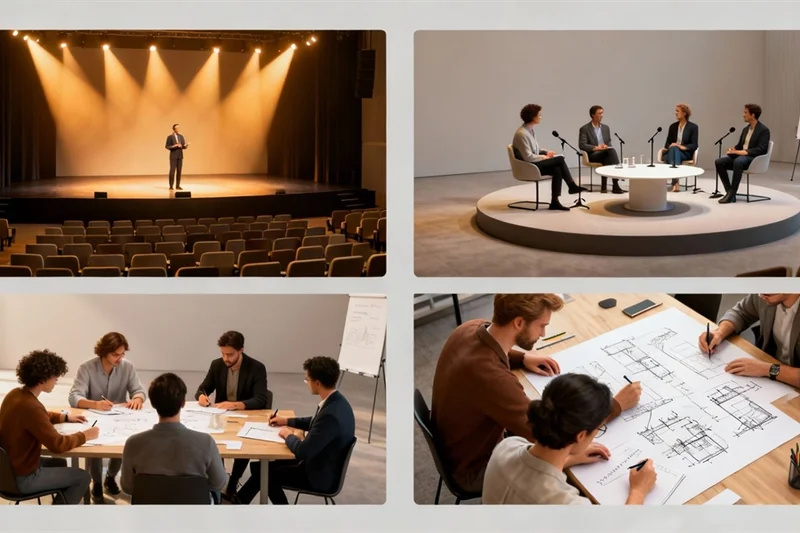
Keynotes Vs Panels Vs Workshops: At A Glance
To help guide your initial thinking, we will quickly break down the fundamental differences between these three powerhouse event formats.
Keynote Primary Goal: To inspire, motivate, and set the event's tone. Audience Role: Primarily passive listening and absorbing information. Communication: One-to-many (speaker to large audience). Best For: Opening/closing ceremonies, large conferences.
Panel Primary Goal: To explore a topic from multiple perspectives. Audience Role: Active listening with opportunities for Q&A. Communication: Many-to-many (panellists to audience and each other). Best For: Exploring complex or debated industry topics.
Workshop Primary Goal: To teach a specific skill or solve a problem. Audience Role: Fully active participation and hands-on practice. Communication: Collaborative (facilitator and peer-to-peer). Best For: Team building, professional development, training.
Think of this as your starting point. Each format has its own rhythm and requirements, which we'll dive into next, helping you pinpoint the perfect fit for your specific goals.
The Power of the Keynote: When to Inspire Your Audience
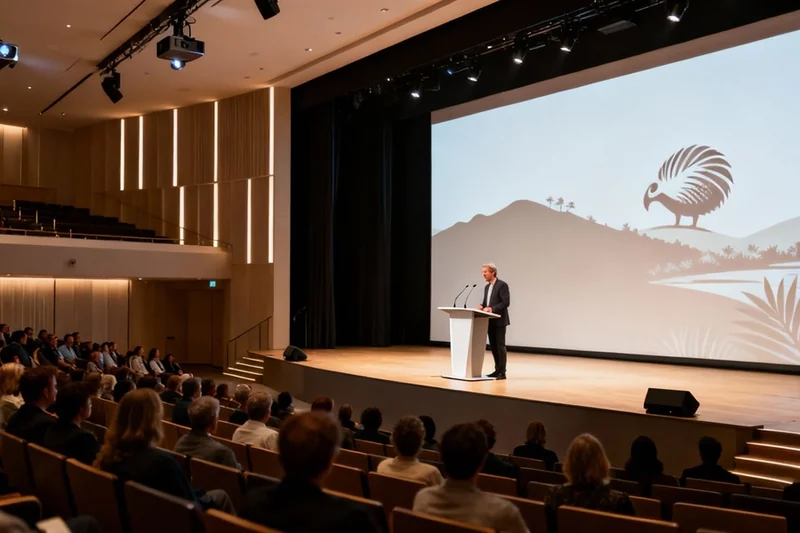
Think of a keynote address as the headline act of your conference. It's the big moment designed to captivate a large crowd, set an inspiring tone for the entire event, and deliver a powerful, thought-provoking message from a true authority. Unlike a collaborative workshop or a conversational panel, the keynote is all about one-to-many communication, where a single, dynamic speaker commands the stage. The real magic of a keynote lies in its ability to generate buzz and pull in attendees. In New Zealand's competitive conference scene, a high-profile keynote is a massive drawcard for corporate event planners.
What Makes a Keynote Compelling
A great keynote speaker does far more than just present information; they tell a story. They build an emotional connection with the audience, using compelling narratives, surprising insights, and a confident stage presence to leave a lasting mark. The objective isn't deep, technical training - it's about broad, sweeping inspiration.
This format is the perfect fit for:
- Opening or closing an event to energise the crowd at the start or leave them with a memorable final thought.
- Unifying a large, diverse audience around a central theme or shared vision.
- Boosting your event's prestige by featuring a well-known industry leader or even a celebrity speaker.
A great keynote doesn't just inform; it changes the energy in the room, making the difference between an audience passively listening and one leaving feeling motivated and ready for what’s next.
Venue And Technical Requirements
The impact of a keynote is hugely dependent on the environment. The right venue ensures every single person can see, hear, and feel the speaker's message without a single distraction. This means when you're scouting for conference venues, you need to prioritise spaces built for presentation and performance.
Look for large corporate event venues or auditoriums, ideally with tiered seating to guarantee clear sightlines for everyone in the room. High-quality audio-visual (AV) capabilities are non-negotiable. This includes a professional-grade sound system, massive screens or projectors for visual aids, and dramatic stage lighting to keep all eyes on the speaker. This level of production is vital for maximising impact and creating that polished, professional experience that reflects well on your whole organisation. For more ideas, you can explore our guide on event technology to elevate your NZ events.
Engaging With Panels: When To Foster Dynamic Discussion
Think of a keynote as a powerful solo performance; a panel discussion, on the other hand, is more like a lively jam session. It brings a group of hand-picked experts together for a moderated chat, giving your audience a rich, multi-layered take on a complex topic. This format absolutely shines when there's no single right answer, sparking genuine debate and showing attendees different angles all at once.
Instead of one person commanding the stage, a panel creates a dynamic, conversational energy in the room. Its real power is in exploring the grey areas. It's the perfect format if you want to unpack an industry trend, tackle a controversial issue, or showcase different ways to solve a common problem. You move beyond a simple presentation and into a live exploration of ideas.
Key Roles in a Panel Discussion
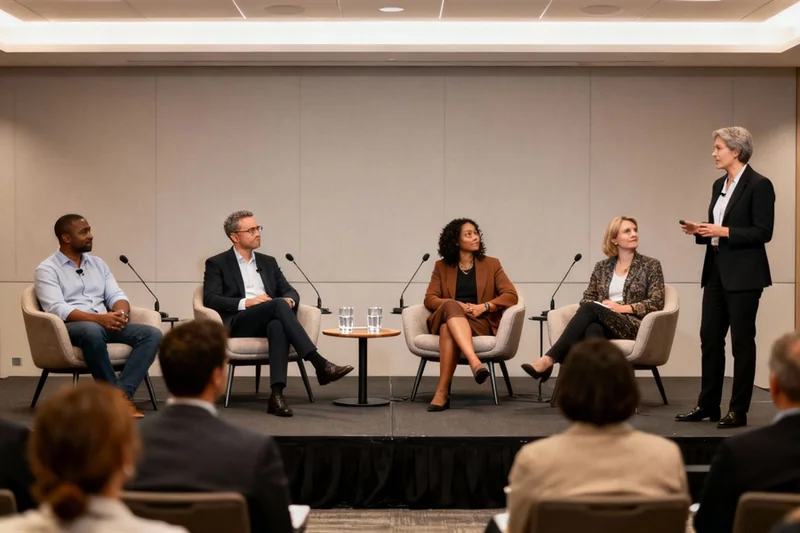
A great panel isn't just a happy accident; it's a well-oiled machine with two crucial parts working together: the moderator and the panellists. Each has a very specific job to do to make the session a success.
- The Moderator: This person is the conductor of the whole conversation. Their role is to steer the discussion, make sure every panellist gets a word in, ask sharp questions, and handle the audience Q&A. A top-notch moderator keeps the energy up and stops the chat from going off the rails.
- The Panellists: These are your subject matter experts, chosen for their unique and often contrasting perspectives. Their job is to bring the substance, insight, and even a bit of friendly conflict that fuels a truly memorable discussion.
The real essence of a panel lies not only in the polished answers but also in the spontaneous exchanges between experts, where unscripted moments of agreement, respectful debate, and building on each other's points provide the audience with the most valuable insights.
Finding The Right Corporate Event Venues
While a keynote might need a grand auditorium, a panel discussion thrives in a more intimate and flexible space. When you're looking for corporate event venues, prioritise spaces that are built for conversation. A room with a low stage - or no stage at all - can break down the barrier between the panellists and the audience, making everyone feel more connected and encouraging more interaction.
You can't skimp on the AV, either. Crystal-clear acoustics are non-negotiable. Every panellist needs their own microphone, and the sound system has to be good enough that no one misses a single word. Panels are becoming a huge hit in New Zealand, making up 35% of sessions at some major academic conferences.
The Hands-On Approach: When To Drive Action with Workshops
Where keynotes inspire and panels discuss, workshops are designed to do. This format is all about getting involved, turning your attendees from passive listeners into active, hands-on learners. In a workshop, the goal isn't just to share information; it's to build skills, solve real-world problems, and walk away with something tangible in a collaborative, small-group setting.
The whole focus is on application. A workshop trades the broad-strokes inspiration of a keynote for deep, practical engagement. This makes it the perfect choice when your main goal is skill development, genuine team collaboration, or practical problem-solving.

Creating An Environment for Participation
A great workshop lives or dies on its environment. You need to create a space that encourages creativity and open participation from everyone. Unlike the formal setup of an auditorium, workshop venues need to be flexible and kitted out for interaction.
Think less about rows of chairs and more about pods of tables. Essential features for great corporate event venues hosting workshops include:
- Movable furniture that can be easily shifted around for different group activities.
- Plenty of writing surfaces like whiteboards, flip charts, or even those cool writable walls.
- Space to move around so groups can break out, collaborate properly, and present their ideas without feeling cramped.
The real value of a workshop is measured by what attendees can do when they leave, not just what they heard. It's about empowering them with a new skill, a solved problem, or a clear action plan they helped create.
When To Choose a Workshop
While workshops might seem like a smaller part of a typical conference schedule, their impact can be massive. They're becoming more and more popular as a way to deliver specialised training that tackles specific industry needs head-on.
So, when should you choose a workshop? It's your best bet when your main goal involves:
- Professional Development: Teaching a new software, methodology, or a specific technical skill.
- Strategic Planning: Facilitating a brainstorming session to map out the company's future goals.
- Team Building: Strengthening bonds and improving communication through collaborative problem-solving exercises.
By putting participation first, a workshop ensures your event leaves a lasting, practical legacy with every single person who attends.
Matching Your Format to the Perfect NZ Venue
Choosing between panels, keynotes, and workshops is only half the battle; the real success of your session hinges on the physical space you put it in. A great format in the wrong room is a recipe for disaster, leading to poor engagement and logistical headaches you just don't need.
The right venue doesn't just host your event - it elevates it. Each format has its own unique needs for layout, tech, and atmosphere. Getting this alignment right is the key to making sure your message lands perfectly, whether you're trying to inspire a massive crowd or get a small group to collaborate.
Venues For High-Impact Keynotes
For a keynote, everything is geared towards creating a powerful, one-to-many experience. You need a space where the speaker is the absolute, undeniable focal point. Think big. We're talking large conference venues, dedicated auditoriums, or theatres that have a sense of occasion.
Your non-negotiables should include:
- A prominent stage that puts the speaker front and centre.
- Tiered or theatre-style seating to give everyone in the room a clear, unobstructed view.
- Professional-grade AV systems, including massive screens, crisp microphones, and lighting that creates a truly polished presentation.
Venues like Auckland's Aotea Centre, or the Viaduct Events Centre for instance, have the scale and built-in tech to make a keynote feel like a world-class event, enhancing the speaker's message and creating an atmosphere of importance and focus for the audience.
Spaces For Engaging Panel Discussions
Panels are all about the conversation, so the room needs to feel more collaborative than presentational. We look for versatile corporate event venues with flexible layouts, as they let you create a more intimate setting that actually encourages the audience to lean in and participate.
Look for spaces that offer:
- Excellent acoustics, because if the audience can't hear the back-and-forth between panellists, the whole thing falls flat.
- Adaptable seating arrangements, like a crescent or U-shape, which helps build a much stronger connection between the stage and the floor.
- The right AV gear, which specifically means enough microphones for every single panellist and a sound system tuned for clear voice projection, not music.
Finding The Perfect Workshop Location
Workshops are all about getting your hands dirty. They demand a space that encourages movement, collaboration, and a bit of creative chaos. Forget traditional lecture halls - you need a dynamic environment where people can roll up their sleeves and get to work. For a really deep dive on this, check out our guide on choosing the right venue for your event.
When you're scouting for a workshop spot, focus on unique venues with breakout rooms or creative studios. Prioritise places that have:
- Movable furniture, because you'll want to reconfigure tables and chairs on the fly for group activities.
- Collaborative tools like whiteboards, flip charts, and plenty of wall space for sticking up ideas.
- Enough room to move, so small groups can break off and brainstorm without feeling like they're on top of each other.
Making the Right Choice: Panels vs Keynotes vs Workshops
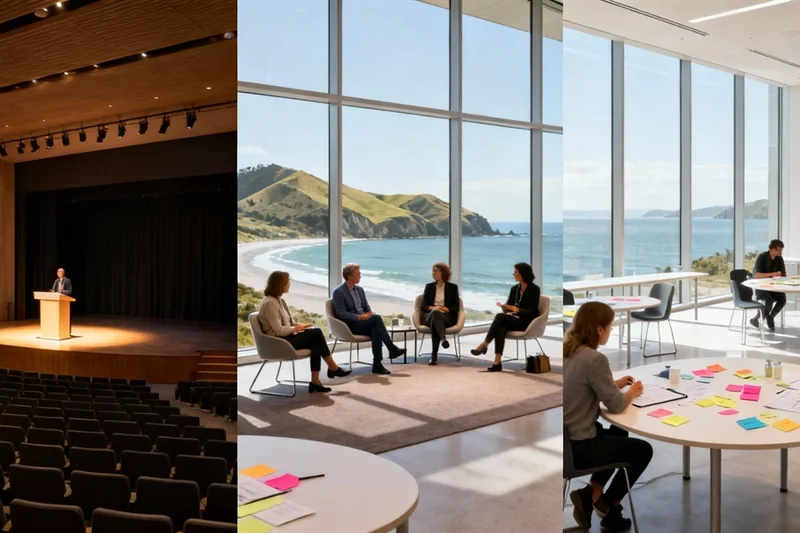
So, you've got the lowdown on keynotes, panels, and workshops. How do you actually decide which one is right for your event? This isn't just a logistical tick-box exercise; it's a strategic choice that fundamentally shapes the experience for every single person in the room and determines if you hit your goals.
Ultimately, it all comes back to one simple question: what are you trying to achieve? Are you aiming to light a fire under a large audience with a powerful, unifying message? Or do you need to unpack a complex industry issue from every possible angle? Maybe the goal is purely practical – to send attendees home with tangible skills they can use the next day.
A Practical Decision Framework
To cut through the noise, just ask yourself these key questions. The answers will quickly point you towards the right format and even help you narrow down the best corporate event venues.
What's My Main Goal Here?
- To Inspire & Motivate: If you want to set an energetic tone, share a big-picture vision, or leave a lasting emotional impact, nothing beats a keynote. It's your go-to for a powerful, focused message.
- To Explore & Debate: Need to dig into a topic with a bit of nuance? A panel is perfect for showcasing different perspectives, sparking conversation, and letting the audience hear from a range of experts.
- To Teach & Apply: If the goal is for people to leave knowing how to do something new, a workshop is the only way to go. It's all about hands-on learning and practical application.
How Much Audience Interaction Do I Want?
- Mostly Passive (Listening): A keynote is designed for a captive audience absorbing information. It's a one-to-many format that works brilliantly for large crowds.
- A Little Bit (Q&A): Panels bring the audience into the conversation, but in a structured way, usually through a formal Q&A session at the end.
- A Lot (Active Participation): Workshops are built from the ground up for interaction. Think group activities, problem-solving, and constant engagement. It's learning by doing.
Aligning your goals with the right format - or even a smart combination of all three - ensures that the content, delivery, and environment work together to provide attendees with exactly what they came for, setting your event up for success. This kind of thoughtful planning transforms a standard gathering into an experience people will discuss for weeks.
A Few Common Questions
Still weighing up your options? Here are some of the questions we hear most often from New Zealand event planners when they're trying to land on the perfect format for their next corporate event.
Can I Combine Different Formats in One Event?
Not only can you, but you probably should. The most engaging multi-day conferences almost always mix and match formats to keep things fresh and cater to different attendee preferences.
Think about a structure that flows naturally. You could kick things off with a big, inspiring keynote to set the tone, then dive deeper into specific topics with a few panel discussions. Finish it all off with practical, hands-on workshops where everyone can roll up their sleeves and apply what they've just heard. This approach keeps energy high and ensures there's something valuable for everyone, from the big-picture strategists to the hands-on doers.
Which Format Is the Most Budget-Friendly?
If you're watching the bottom line, a panel discussion is often your most cost-effective option. You get access to several industry experts for what can often be a fraction of the cost of a single professional keynote speaker. It's a great way to deliver a breadth of insight without a hefty price tag.
Workshops can also be quite economical, especially if you have talented people within your own organisation who can step up and facilitate a session. Keynotes, on the other hand, are typically the biggest investment, particularly once you factor in the speaker's fee, travel costs, and the A/V setup required for larger conference venues.
When considering the cost of panels, keynotes, and workshops, it's important to look beyond the price tag and consider the value. A lower-cost panel that sparks real conversation and engagement can offer a better return than an expensive keynote that doesn't quite meet expectations.
How Should Audience Size Influence My Choice?
Audience size is a massive factor, and it's something you need to get right. Each format is built to shine with a certain number of people, and this will directly shape your hunt for suitable corporate event venues.
Here's a quick guide:
- Keynotes: These are designed for the masses. Think big auditoriums or conference halls with theatre-style seating for 100+ people.
- Panels: Panels are incredibly versatile and work beautifully for medium-sized groups of around 30–150. You need a space that's big enough but still allows for a sense of connection and interaction.
- Workshops: This is where small and intimate wins. Workshops are at their best with groups of 15–40, ensuring everyone gets a chance to participate. Look for breakout rooms or collaborative spaces that encourage hands-on work.
Ready to find the perfect space for your keynote, panel, or workshop? At Venue Finder NZ, we make it simple to discover and connect with the best venues across New Zealand. Start your search for free today.