 venuefinder.nz
Driving Registrations for Corporate Events: Boost RSVPs with Proven Tactics
Getting registrations for your corporate event isn't about luck; it's about having a clear, strategic game plan. You need a multi-channel approach that combines persuasive messaging with a ridiculously easy sign-up process to turn casual interest into confirmed attendees for your conference.
The Blueprint for a Sold-Out Corporate Event
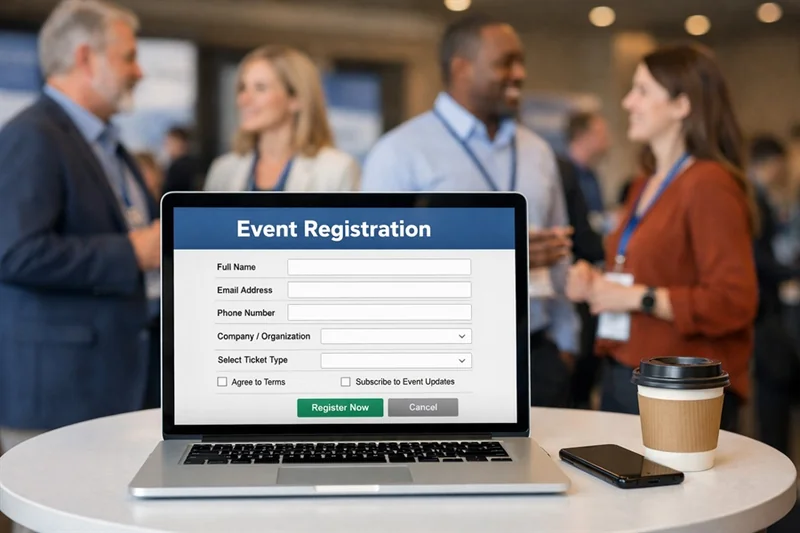
Filling every seat at your event takes more than sending a couple of emails and crossing your fingers. It demands a proper, structured campaign built on a few core pillars. Think of it like building a house - without a solid foundation and a clear blueprint, the whole thing could wobble. Your mission is to create a seamless journey that guides potential attendees from that first flicker of awareness right through to hitting "register".
This journey starts with one crucial thing: really understanding what makes your target audience tick. Who are they? What problems are keeping them up at night? And how will your event help them solve those problems? Nailing the answers to these questions is the first step to crafting a message that truly hits home.
The Core of a Modern Registration Campaign
To get attendees for your corporate conference, your strategy must have several key elements working together. These are the absolute essentials of your promotional push.
- Audience-Centric Messaging: Your communication should directly address the challenges and goals of your ideal attendee without any generic content.
- A High-Converting Digital Hub: A dedicated landing page is essential. It must be clear, compelling, and easy to navigate.
- Multi-Channel Promotion: You need to be present where your potential delegates spend their time, whether that's their inbox, LinkedIn feed, or industry forums.
- A Seamless Registration Experience: The final step of signing up should be incredibly simple. Any difficulty here will lead to lost registrations.
A successful campaign is about connecting with the right people, with the right message, at the perfect time. Every email, post, and ad should reinforce the value of attending and make the decision to register an obvious choice. This framework ensures you aren't just promoting an event; you're making a strong case for why people must attend.
Before diving into the specific tactics, it's essential to understand how all these pieces fit into the larger strategy. For a deeper look at building your overall plan, check out our guide on creating a winning event strategy to drive real business results.
Let's break down the essential components needed to increase your registration numbers.
Core Components of a High-Conversion Registration Campaign
This summary outlines the key elements for a successful registration drive, serving as a high-level checklist to ensure all aspects are covered.
Audience Targeting Objective: Reach the most relevant professionals who will benefit from attending. Key Action: Develop detailed attendee personas based on roles, industries, and challenges.
Promotional Channels Objective: Be visible where your target audience is most active. Key Action: Create a balanced mix of email, social media, paid ads, and partner marketing.
Persuasive Messaging Objective: Clearly communicate the unique value and benefits of your event. Key Action: Focus on outcomes, not just features, and answer the "what's in it for me?" question.
Registration Page Objective: Make the sign-up process fast, simple, and smooth. Key Action: Design a clean, mobile-friendly page with minimal form fields and clear calls to action.
Pricing & Incentives Objective: Motivate early commitment and create a sense of urgency. Key Action: Implement tiered pricing (early bird, standard) and offer exclusive bonuses.
Analytics & Optimisation Objective: Track performance and make data-driven adjustments. Key Action: Monitor channel effectiveness, conversion rates, and attendee demographics.
With these core components established, you have a strong foundation. The following sections will break down each of these pillars into actionable steps, providing a clear roadmap to successfully fill your next corporate event.
Building Your High-Converting Event Landing Page
Think of your event landing page as the digital front door to your conference. It's single-handedly the most important piece of the puzzle when you're trying to drive registrations. If it's confusing, slow, or just plain uninspiring, you'll lose potential attendees before they even find the register button.
Your page has one clear job: convince a visitor that your event is an unmissable opportunity and then make it ridiculously easy for them to sign up. It needs to immediately answer their unspoken questions: What am I going to learn? Who will I meet? Why is this a better use of my time and money than anything else on my calendar?
This isn't just about dumping a list of details online; it's about selling an experience. Every single element, from the headline right down to the final click of the registration form, must work together to build excitement and strip away any friction.
Crafting a Compelling First Impression
The moment someone lands on your page, you have just seconds to grab their attention. This all starts with a powerful headline that spells out the event's core benefit, not just its name. A headline like "Future-Proof Your Leadership Skills" has far more pulling power than "Annual Leadership Conference 2025".
That headline needs to be backed up by a concise, value-packed opening paragraph. Get straight to the point and articulate the primary outcome for the attendee. Will they solve a major business problem, gain a new certification, or connect with influential peers? Make that promise right off the bat.
Visuals play a massive role here, too. Use high-quality photos or videos from past events to show off an engaged, professional atmosphere. Honestly, a dynamic highlights reel can often communicate the energy of your event far better than paragraphs of text ever could.
Structuring Your Page for Conversion
A landing page that actually converts is one that guides the user on a logical journey. It should present information in a scan-able, easy-to-digest format that builds a case for attendance, piece by piece.
There are a few non-negotiable elements every event page needs. Your structure should be designed to answer questions as they pop into the visitor's head.
- Detailed Agenda: Don't just list session titles. Provide short descriptions that explain the key takeaways from each talk or workshop.
- Credible Speaker Bios: Go beyond names and job titles. Include a professional headshot and a quick bio for each speaker that establishes their authority and explains why their insights are so valuable.
- Clear Logistics: Make sure the date, time, and venue details are impossible to miss. If you're using one of our fantastic venues like the Viaduct Events Centre in Auckland or the InterContinental Hotel Wellington, pop in a link to a map and details on parking or transport.
- Social Proof: This is gold. Feature testimonials from past attendees. Short quotes or video snippets that speak to the value they received are incredibly powerful for building trust.
Always remember that your landing page isn't a brochure; it's a sales argument. Every section should overcome a potential objection and move the visitor closer to the decision to register for your conference. This logical flow makes sure potential attendees find everything they need to make an informed decision without having to hunt for it.
Optimising the Registration Form
This is where so many events fall over. Even the most persuasive landing page can be completely let down by a clunky or demanding registration form. Your goal here is to make this final step as frictionless as humanly possible.
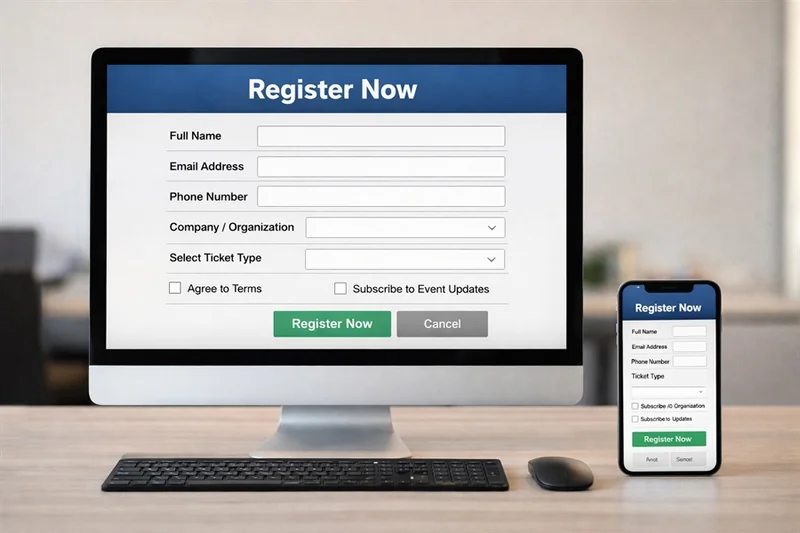
Keep the form brutally simple. I mean it. Only ask for the absolute essential information needed to secure the registration. You can always gather more details in a post-registration email. Every extra field you add increases the chance of someone giving up.
Make sure your entire page, especially the form, is perfectly optimised for mobile. A massive chunk of your audience will be looking at your page on their phone, and a poor mobile experience is a guaranteed way to lose registrations. Buttons should be easy to tap and fields simple to fill out on a small screen.
Finally, your call-to-action (CTA) buttons - things like "Register Now" or "Secure Your Spot" - must be bright, bold, and visible right across the page. Don't make them search for it.
Executing a Multi-Channel Promotion Strategy
So, you've built a brilliant event landing page. That's a fantastic start, but it won't fill the room on its own. To really drive registrations, you have to actively get in front of your audience where they already are.
Relying on a single promotional channel is like fishing with only one line. A multi-channel strategy lets you cast a wide, intelligent net. This means piecing together an integrated plan that combines the directness of email marketing, the networking power of social media, and the precision of paid advertising. When these channels work in harmony, they create a constant, compelling buzz that turns interest into action.
Mastering Strategic Email Marketing
Even with all the noise on social media, email is still one of the most powerful tools in your arsenal for driving event sign-ups. It's direct, it's personal, and it lets you slice and dice your audience for messaging that truly hits home. A successful campaign isn't a single email blast; it's a carefully planned sequence.
Think of it as guiding potential attendees on a journey. Kick things off with an initial invitation that spells out the core value of your event. Follow up with reminders that reveal exciting new speakers or agenda items. As the date gets closer, create a bit of urgency with 'last chance' alerts to tap into that fear of missing out.
- Segment Your Lists: Don't send the same generic message to everyone. Group your contacts by past attendance, job title, or industry so you can tailor the content to what they actually care about.
- Focus on the Subject Line: This is your first and, often, your only chance to grab their attention. Use action-oriented language, ask a question, or create a little curiosity.
- Keep Copy Scan-able: No one reads walls of text. Use short paragraphs, bullet points, and bold text to highlight the must-know details. Make sure your call-to-action (CTA) button is bright and impossible to miss.
The business events sector here in New Zealand is booming, which makes a sharp promotional strategy more crucial than ever. Tourism New Zealand has set a record-breaking goal to secure 110 conference bids valued at $185 million by 2026. This surge shows just how much opportunity is out there for organisers who can cut through the noise. You can learn more about New Zealand's record targets for conference business.
Leveraging Professional Social Media Platforms
For corporate and conference events in New Zealand, LinkedIn is non-negotiable. It's the digital town square where your target audience gathers to network, learn, and scout for industry opportunities. But just posting about your event isn't going to cut it. You need a smarter approach.
Start by creating an official Event Page on the platform. This acts as a central hub for all your event info and, crucially, makes it easy for people to see who else is attending - a powerful form of social proof. Get your speakers, sponsors, and internal team to share the page with their own networks to really amplify your reach. Your speakers are your most valuable promotional asset. When a respected expert shares that they are speaking at your conference, it provides a powerful, trusted endorsement that no advertisement can replicate.
Go beyond just the promotional posts. Share valuable content related to your event's theme. Think short video interviews with speakers, articles that touch on key topics, or polls asking attendees what they're most excited to learn. This positions your event as a source of genuine industry insight, not just another date on the calendar.
Demystifying Precision-Targeted Paid Advertising
Paid advertising is your shortcut through the noise. It lets you place your message directly in front of a highly specific audience, making it perfect for reaching new prospects who aren't on your email list or following you on social media yet.
The real magic is in the targeting. Platforms like LinkedIn let you zero in on people based on incredibly specific professional criteria, so you know your budget is being spent wisely. You can focus your campaigns on:
- Job Titles: Target specific roles like 'Marketing Manager' or 'Chief Financial Officer'.
- Industries: Reach professionals in sectors directly relevant to your event, such as tech, healthcare, or finance.
- Company Size: Focus on decision-makers at small businesses or enterprise-level organisations.
Start with a modest budget to test different ad creatives and audience segments. Keep a close eye on your results to see which combinations deliver the lowest cost-per-registration. By constantly tweaking and optimising, you can make sure every dollar is working hard to fill seats.
Using Strategic Pricing and Incentives to Drive Action
When it comes to getting people to register for your corporate event, your pricing strategy is one of the most powerful tools in your marketing kit. It's not just about the number on the ticket; it's a message. A smart pricing structure tells a story about value, creates a sense of urgency, and gives people a compelling reason to commit now.
Forget a single, flat fee. The real trick is to build a framework that rewards decisiveness. By layering different price points and incentives, you can appeal to everyone from the ultra-organised planners to the last-minute decision-makers. The goal? Make potential attendees feel like they're getting an absolute steal by signing up early.
The Power of Tiered Pricing
One of the most reliable ways to create genuine urgency is with tiered pricing. The concept is simple: the earlier someone books, the more they save. It's a classic for a reason. This approach not only builds incredible momentum right out of the gate but also helps with cash flow and provides that all-important social proof that your event is in demand.
A tried-and-true structure usually involves three key stages:
- Early Bird: This is your best price, offered for a limited time well ahead of the event. It's designed to hook the most enthusiastic and organised people in your audience.
- Standard Registration: Once the early bird special ends, the price shifts to the standard rate. This now becomes the new benchmark for value.
- Last Minute: In the final week or two, the price goes up again. This final tier catches the procrastinators and neatly demonstrates the value of getting in early for your next event.
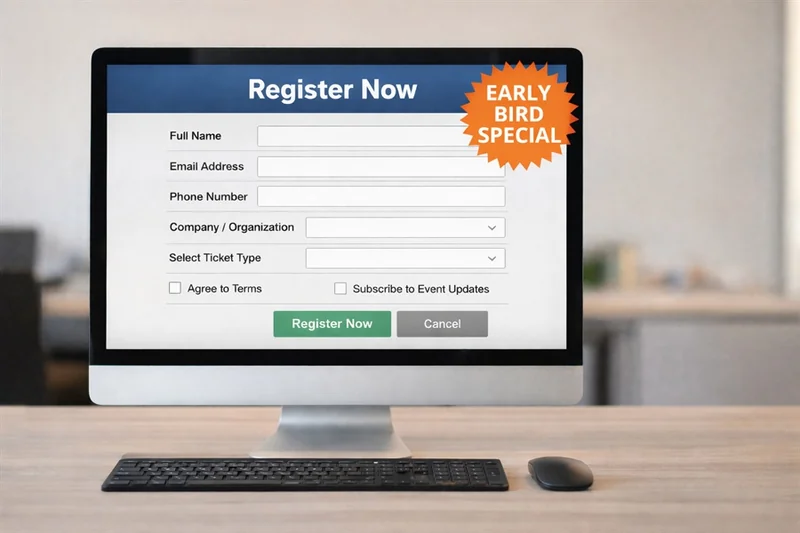
For example, a ticket might start at $695 for Early Bird, move to $895 for Standard, and finish at $995 for Last Minute registrations. This clear progression gives people firm deadlines and a tangible reason to stop hesitating and book.
Encouraging Group and Team Attendance
It's rare for someone to attend a corporate event alone; they're often part of a company crew. This is where group discounts come in, offering a way to turn one registration into three, five, or even ten. This tactic appeals to team leaders and budget holders who constantly seek to maximize their training and development budgets. When a company sends a team to your conference, they're making an investment in shared learning and team building, so your pricing should make this an easy, almost obvious, choice.
Structure your group deals to be clear and compelling, such as "buy four, get one free" or a straightforward 15% discount for teams of five or more. This approach encourages businesses to send whole teams at once, significantly boosting your registration numbers from a single transaction.
Deploying Smart Incentives and Promotions
Beyond tiered pricing, other incentives can create fantastic little spikes in registration activity. Limited-time promotional codes, shared through specific channels like a partner's newsletter or a LinkedIn campaign, work wonders. Not only do they drive sign-ups, but they also give you a clear way to see which partnerships are actually delivering.
And remember, not every incentive has to be about money. Sometimes, value-added bonuses are even more persuasive:
- Exclusive Access: Offer the first 100 people to register an invite to a private VIP networking session with your keynote speakers.
- Bonus Resources: Give early birds a valuable download, like a detailed white paper or a recording from a sell-out session at last year's event.
- Preferred Seating: Guarantee a spot in the front rows for anyone who books by a specific date.
These non-monetary perks add a heap of perceived value without you having to slash your ticket price, which helps maintain the premium feel of your event. Of course, managing these costs is a crucial piece of the financial puzzle - you can read our practical guide to your corporate event budget for more on that.
By blending smart pricing with tempting incentives, you create a powerful system that keeps those registrations rolling in.
Getting Smart with Your Campaign: How to Analyse and Optimise Performance
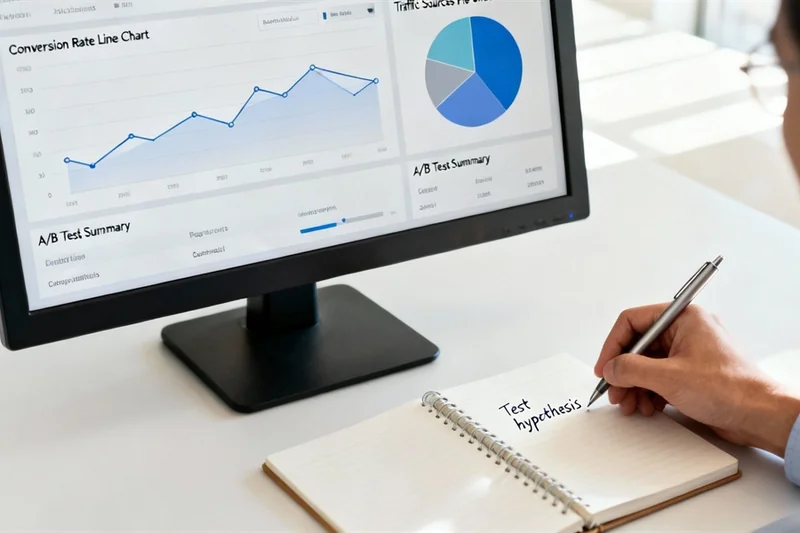
Running a campaign to drive event registrations is never a "set and forget" job. The real magic happens when you treat your promotional efforts as a living, breathing project. It needs constant attention and smart adjustments based on what the data is telling you.
Instead of guessing what works, it's time to become a bit of a detective. You need to dig into the numbers to see exactly what's resonating with your audience and what's falling flat. This continuous loop of analysing and optimising is what separates a moderately attended event from a sold-out conference.
Pinpointing Your Most Valuable Channels
First, you need to figure out where your best registrations are coming from. Are your email campaigns the heavy hitters, or is your LinkedIn promotion punching above its weight? By tracking the source of every single registration, you get a clear picture of which channels aren't just driving traffic, but delivering actual, committed attendees.
This process quickly highlights your strongest performers, allowing you to double down on what's working. For instance, if you notice a particular LinkedIn group is generating a high number of quality sign-ups, that's a clear signal to invest more time and energy engaging with that community.
Measuring Landing Page Effectiveness
Your event landing page has one critical job: to turn visitors into registrants. Its conversion rate - the percentage of visitors who actually complete the form - is the ultimate measure of success. A low conversion rate is a massive red flag that something on the page isn't working.
Common culprits for a poorly performing page include:
- Confusing messaging that doesn't clearly state the value of your event.
- A registration form that's too long or asks for unnecessary information.
- A weak or hidden call-to-action (CTA) button that doesn't stand out.
Constantly monitoring your landing page conversion rate helps you identify and fix friction points in the user journey. Even small tweaks, like changing the colour of your 'Register Now' button, can lead to significant improvements in sign-ups. This focus on the user experience is central to any successful event. For more guidance on this, our article on corporate event planning tips to ensure success offers a wealth of practical advice.
The Power of A/B Testing
Making decisions based on data is always more effective than relying on gut feelings. This is where A/B testing, or split testing, comes into play. It's a simple concept: you create two versions of a single element (like an email subject line or an ad) to see which one performs better.
You can A/B test almost anything in your campaign to continuously fine-tune your approach. For your conference promotion, you might test:
- Email Subject Lines: Does "Unlock Your Potential at Our 2025 Conference" perform better than "Last Chance for Early Bird Tickets"?
- Ad Copy: Does an ad focusing on networking opportunities get more clicks than one highlighting keynote speakers?
- CTA Button Text: Does "Secure Your Spot" convert better than "Register Today"?
By testing just one variable at a time, you can gather clear, actionable insights into your audience's preferences. This iterative process of testing and refining ensures your campaign becomes progressively more effective over time, helping you hit those registration targets and build real momentum for your event.
Here are some of the most common questions we get asked about filling seats for a corporate event. Let's get them answered.
When Is the Best Time to Start Promoting a Corporate Event?
This is a classic "how long is a piece of string?" question, but we can give you some solid guidelines based on experience. Your timeline really hinges on the scale of your event.
For the big, multi-day conferences - especially where people need to book flights or get budget sign-offs from their boss - you need to be thinking four to six months out. This gives you a long runway to hook those keen early birds and build up a steady stream of registrations.
But if you're running a smaller local seminar or a one-day workshop, eight to twelve weeks is usually the sweet spot. Any earlier and you risk being forgotten; any later and you're creating unnecessary pressure. It's all about matching your promotion schedule to how your specific audience plans their calendar.
What Is the Most Effective Channel for Driving Registrations?
If we had to pick just one, it would be email marketing. Time and time again, it proves to be the most powerful channel for actually converting interest into a confirmed registration. There's just nothing quite like landing directly in someone's inbox with a compelling, targeted message.
But here's the catch: email is never a solo act. Its real power comes alive when you pair it with other channels.
- LinkedIn is fantastic for building that initial buzz and making your event look credible and important.
- Paid ads are your secret weapon for reaching people who aren't on your list yet but absolutely should be.
- Email then swoops in to nurture that awareness and give people the direct nudge they need to sign up.
Think of it as a team effort. Each channel plays a crucial role in getting people over the line.
How Can I Reduce Registration Form Abandonment?
Ah, the dreaded drop-off at the final step. It's incredibly frustrating, but usually, it's a clear signal that your form is just too much hard work. A complicated or clunky registration process will kill your conversions faster than anything else. Your one and only goal here is to make signing up so ridiculously easy it feels like an afterthought.
Here's how to fix a leaky registration form:
- Be ruthless with your fields. Only ask for what you absolutely need to process the registration. Name, company, email. That's often it. You can always chase up extra details later.
- Make it mobile-friendly. So many people will register on their phones. If they have to pinch and zoom just to fill out a field, you've already lost them. Test it on your own phone first.
- Show them the finish line. If you must have multiple steps, use a progress bar. It's a small psychological trick that reassures people they're nearly done.
- Offer easy payment options. Don't make people dig out their credit card if they don't have to. Offer trusted, simple ways to pay.
What Role Does the Venue Play in Driving Registrations?
Never underestimate the power of a great venue. It's not just a backdrop; it's a core part of your marketing. A spectacular or prestigious location can seriously bump up the perceived value of your event and become a huge drawcard.
When you can splash photos of an impressive venue like Cordis Auckland or the breathtaking Skyline Queenstown across your landing page, you're selling an experience, not just a series of talks.
It helps people picture themselves there, enjoying the atmosphere, which makes hitting that "Register Now" button a much easier decision. A well-known, respected venue lends instant credibility and can be the very thing that convinces someone who's sitting on the fence.
Are you ready to find the perfect venue that will wow your attendees and help drive registrations? At Venue Finder NZ, we make it easy to discover and book incredible spaces across New Zealand for your next corporate event.