 Venue Finder
A Practical Guide to Your Corporate Event Budget
22 Jan 2026 by Venue Finder NZ
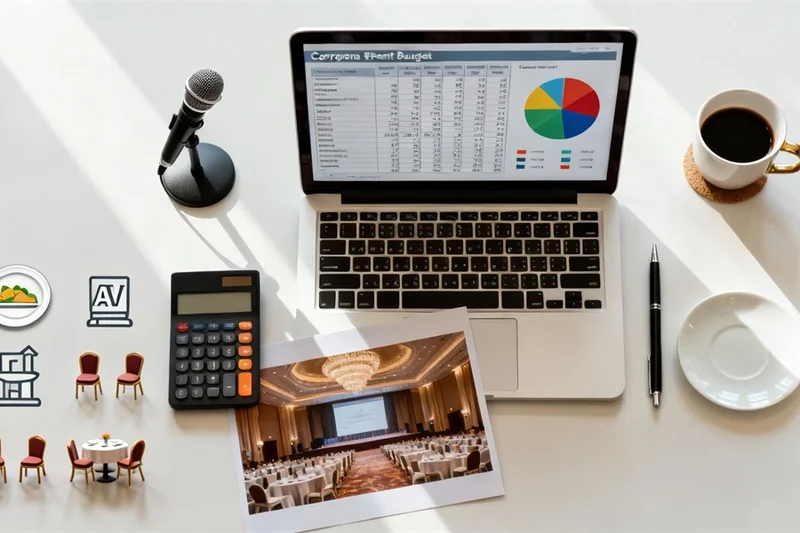
Ever tried to build a house without a blueprint? That's what planning a corporate event without a proper budget feels like - a sure-fire way to run into costly problems down the track. A corporate event budget isn't just a spreadsheet of expenses; it's your strategic roadmap, connecting your event goals to financial reality. It's the tool that guides every single decision, making sure every dollar you spend is working towards a successful outcome.
Why a Smart Budget Is Your Most Critical Tool
A well-thought-out budget is the true foundation of great corporate event planning. It transforms your big ideas from abstract concepts into a concrete plan of action, giving you clarity and control from day one.
With a solid budget, you can allocate resources where they'll have the most impact, justify spending to stakeholders, and, most importantly, measure your return on investment. Without one, it's all too easy to overspend on the nice-to-haves while accidentally underfunding the critical elements that shape the guest experience. It's this document that helps you make the tough calls, like choosing the right corporate event venue or deciding just how much to invest in production.
Navigating Rising Costs in New Zealand
The financial landscape for events is always in motion. In New Zealand, there is a strong rebound in business events, accompanied by rising operational costs. This requires planners to be more attentive to their numbers than ever before. For example, hotel room rates have increased to 119% of 2019 levels, directly impacting accommodation blocks and package deals within a conference venue budget. Staying informed on these trends is essential to remain competitive. Think of your budget as your financial command centre, helping you anticipate challenges, make smart trade-offs when necessary, and maintain control over finances in a changing economic environment, ensuring your event is both memorable and financially sound. This guide is here to assist you in building a realistic budget from the ground up. We will start by defining your objectives and then break down all the major costs you are likely to encounter.
Defining Your Event Goals Before Spending a Dollar
Before considering spreadsheets or quotes, let's focus on the crucial initial step. Many people rush into selecting a venue without a well-defined plan, which can result in an unorganised and inefficient corporate event budget. Your event's objectives serve as your guide; they direct every expenditure. Start by addressing the essential questions. What is the primary purpose of this event? Is it a high-stakes product launch meant to attract media attention? An internal team-building day to boost morale? Or perhaps a client appreciation dinner to strengthen those key relationships? The answers will immediately indicate where your financial resources should be allocated. For further insights, you might refer to our blog, A Winning Event Strategy to Drive Real Business Results, which provides valuable guidance on aligning your budget with your event's goals.

Prioritising Your Spending
Once you know your "why," you can start prioritising your spending with real confidence. This isn't about cutting costs randomly; it's about ensuring every dollar serves a purpose and drives you toward that end goal. Let's look at a few examples:
- Hosting a tech conference? Your budget needs to focus on top-notch AV equipment, reliable Wi-Fi, and a conference venue that can handle the technical demands.
- Planning a networking gala? You'll want to allocate more of your budget towards securing a premium corporate event venue, exceptional catering, and sophisticated décor to create that 'wow' factor.
- Organising an internal training day? The focus here is practical. Consider comfortable seating, great breakout rooms, and useful learning tools - not extravagant decorations.
A goal-oriented budget transforms your spending from a simple list of expenses into a powerful tool for success by telling the story of what you want to achieve. Thinking through these priorities from the start is a game-changer. For a deeper dive, our guide on planning a successful business event in Auckland provides practical tips to help you achieve this. Gaining this clarity early on prevents overspending and makes it much easier to get your budget approved by stakeholders.
Breaking Down Your Major Event Costs
Right, you've got your event goals sorted. Now comes the tricky part: turning that grand vision into a solid financial plan. Honestly, building a corporate event budget is a bit like putting together a piece of flat-pack furniture – you need to know what all the bits and pieces are and how they fit together, or you'll end up with a wobbly result.
So, let's unpack the main expense categories you'll need to account for. Getting these big-ticket items locked in is the first step to building a budget that actually works.
Core Budget Line Items
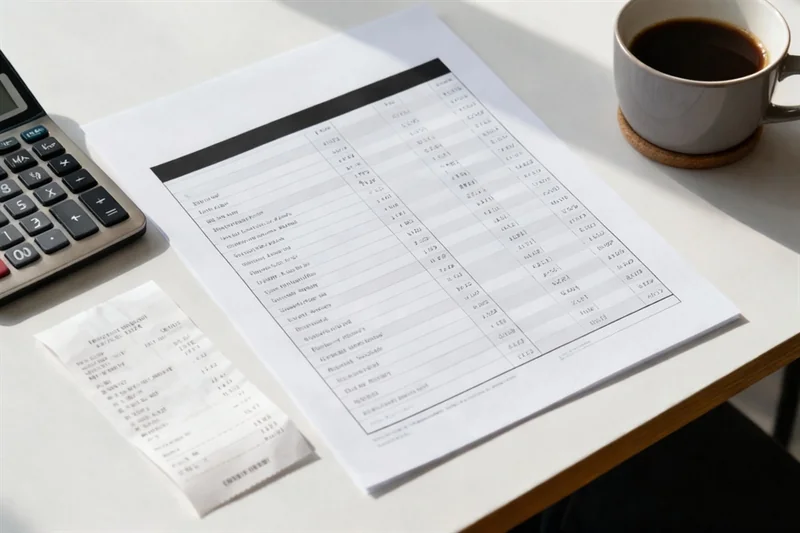
While every event has its own quirks, most budgets are built around a handful of non-negotiable costs. Getting quotes for these key areas will give you a proper financial baseline to work from.
Here's what will almost always be on your list:
- Venue Hire: This is often the biggest slice of the pie. Costs will vary hugely depending on whether you go for a 'dry hire' (just the empty space) or an all-inclusive package at a dedicated conference venue.
- Catering: This covers all your food and beverage needs, usually calculated on a per-person basis. It's a major variable cost that goes up or down directly with your guest numbers.
- Audio-Visual (AV) Production: We're talking everything from a simple microphone and projector to a full-blown lighting rig and live-streaming setup. Your event's technical needs will really drive this cost.
- Staffing & Entertainment: This bucket includes your event managers, technicians, security, and of course, any performers or speakers you need to bring in.
A Look at Percentage Allocations
To give you a clearer picture, here's a rough guide on how your budget might be split. Think of this as a starting point – your own event's priorities will dictate the final numbers.
- Venue Hire: 20%-30% - Prices vary significantly between major centres like Auckland and regional locations. Mid-week bookings can offer savings.
- Catering: 30%-40% - Food and labour costs are a major factor in NZ. Per-head pricing is standard, so your guest list size is critical.
- AV & Production: 10%-20% - Technical complexity is the key driver. A simple presentation is cheap; a hybrid event with live streaming costs much more.
- Entertainment & Speakers: 5%-15% - Fees for local talent versus international speakers can differ dramatically. Factor in travel and accommodation costs.
- Marketing & Promotion: 5%-10% - For public events, this is crucial. For internal events, this may be a smaller percentage.
- Staffing & Management: 5%-10% - Covers event managers, security, and on-site coordinators. Agency staff will add to this cost.
- Contingency: 5%-10% - An absolute must-have for unexpected costs. We'll dive into this more later.
Remember, if you're planning a lavish gala dinner, catering might eat up a larger chunk of your budget. If it's a tech conference, your AV and production costs will likely be higher. It's all about balance.
Uncovering Hidden Costs
One of the most common traps for new planners is overlooking the small, sneaky expenses that can really add up. A thorough corporate event budget anticipates these from day one, ensuring that hidden costs don't derail your financial plan. A professional planner anticipates these expenses, turning potential budget blowouts into manageable line items.
Make sure you've got a line item for things like:
- Special licences or council permits
- Event insurance
- Credit card or payment processing fees
- Speaker travel and accommodation
- Signage, name tags, and marketing materials
- A contingency fund (more on this soon!)
By flagging these costs early, you stay in control and keep your budget grounded in reality. As you start this process, you can explore a wide range of excellent corporate event venues on our site to get the accurate quotes you need to begin.
Clever Ways to Maximise Your Corporate Event Budget
Right, so you've got a number in mind for your corporate event budget, but it feels a bit tight. Don't panic. A smaller budget doesn't mean you have to scale back your vision; it just means you need to be a bit savvier with how you spend your money.
Being clever with your planning from the get-go can make every dollar stretch further, letting you pull off a brilliant event without blowing the budget.
One of the easiest wins? Be flexible with your dates. Booking a corporate event venue on a Tuesday or Wednesday is almost always cheaper than a Thursday or Friday. The same goes for the time of year – an event in the off-peak season can unlock some serious savings on venue hire and supplier rates.
Get Smart with Suppliers and Packages
Building good relationships is beneficial, as a supplier who knows and trusts you is often more willing to offer a better deal. When gathering quotes, consider more than just the final number to understand what's included. Many venues offer packages that combine room hire, basic AV, and catering, which can be more cost-effective than hiring everything separately. As a rule of thumb, always aim to obtain at least three quotes for major expenses. This is essential for your venue and catering, as they will take a large portion of your budget. A helpful tip is to be clear about your requirements when requesting quotes. Providing a detailed brief enables suppliers to offer a precise price, preventing unexpected budget increases due to last-minute changes and saving time and effort for everyone involved.
Master Your Numbers to Avoid Waste
One of the quickest ways to drain your budget is by getting your guest numbers wrong, especially with catering. It's so easy to do. Overestimating your attendance by just 10-15% can translate to thousands of dollars wasted on food and drinks no one touches.
The best way to avoid this is to lean on data from your past events and enforce a strict RSVP deadline. It gives you a much more realistic number to work with, so you can lock in your final catering order with confidence and keep that money in the budget for other things.
Building a Safety Net with a Contingency Fund
Even with the most watertight plan, things can go sideways. A last-minute supplier pull-out, a sudden downpour during your outdoor networking session, or discovering you need extra AV gear on the day can throw a serious spanner in the works. This is where your contingency fund comes in - it's not just a 'nice-to-have', it's the non-negotiable safety net for any professionally managed corporate event budget.
Think of it as your financial back-up plan. It gives you the breathing room to handle surprises without hitting the panic button or cutting corners on the event experience. Far from being a sign of poor planning, having a buffer shows you're a pro who anticipates the unexpected.
How Much Should You Set Aside?
The industry rule of thumb is to squirrel away 5-10% of your total budget for contingency. So, for a $50,000 event, you'd be looking at setting aside between $2,500 and $5,000 for those 'just-in-case' moments.
What might you need it for? All sorts of things, like:
- Hiring extra staff when more guests RSVP than you planned for.
- Covering rush printing fees because a key presentation was updated at the last minute.
- Paying for an emergency generator rental when the venue's power flickers.
- Weather-proofing costs, like bringing in marquees or outdoor heaters.
Right now in New Zealand, with businesses keeping a close eye on spending, this buffer is more important than ever. It gives you the confidence to manage financial risks and solve problems on the fly without blowing your entire budget. If you want to get a better sense of the current economic climate, you can read more about the macro-economic settings influencing corporate spending.
How We Help You Build a Realistic Budget
Let's be honest, an accurate event budget isn't built on guesswork. It's built on real numbers. This is where getting proper quotes becomes your most important job, turning a vague spreadsheet into a rock-solid financial plan. Just guessing what a venue or caterer will cost is a sure-fire way to blow the budget entirely.
And that's exactly where we fit into your planning. We make it simple to find and get in touch with a massive range of corporate event venue and conference venue options right across New Zealand, and it's completely free to use.
By basing your budget on accurate quotes from the start, you eliminate financial uncertainty, enabling you to make informed decisions, negotiate with confidence, and ensure every dollar is purposefully spent - avoiding any unpleasant surprises later on. Our main objective is to save you time and provide the transparency needed to find the right partners for your event.
Your Corporate Event Budget Questions, Answered
Juggling the numbers for a corporate event can feel a bit like spinning plates, but it gets a whole lot easier once you get your head around a few key questions. Here are the answers to some of the most common queries we get about putting together a solid corporate event budget here in New Zealand.
What's a Realistic Per-Person Cost for an Event in NZ?
Honestly, this is the classic "how long is a piece of string?" question. The cost can swing wildly depending on what you're planning.
For a simple daytime meeting with some basic catering, you might be looking at around $20-30 a head. But if you're organising a full-day conference in a main centre like Auckland or Wellington, that figure could easily jump to $100-150. Planning a swanky gala dinner? That can easily climb past $250 per person.
The only way to get a true picture is to start requesting detailed quotes based on exactly what you need.
How Do I Keep Track of Spending Against My Budget?
Your best friend here is a good old-fashioned spreadsheet. Seriously, it's the most powerful tool in your kit.
Set it up with columns for every line item, your estimated cost, the actual cost once it's locked in, and the difference between the two. The trick is to update it religiously, in real-time, as you book suppliers and pay deposits. This gives you a live snapshot of where your money is going, so you can make smart adjustments on the fly instead of getting a nasty surprise later.
Keep in mind that the costs for hiring your corporate event venue and catering typically account for the largest portions of your budget, often exceeding half of the total expenses. Therefore, selecting the appropriate venue is crucial for effectively managing your budget.
Ready to stop guessing and start building your budget with real, accurate numbers? The best way to begin is by exploring venues and requesting quotes. Head over to https://venuefinder.nz to find the perfect venue and vendors for your next event.
Related posts

Plan Your Party for Christmas: Top NZ Christmas Party Themes
Discover 10 unique venue & theme ideas for your party for Christmas 2026. Find perfect Auckland, Wellington, or Christchurch locations on Venue Finder NZ.
10 Jun 2026

Reducing Waste at Corporate Events: Practical Ways for Reducing Waste
Explore practical, cost-neutral tips for reducing waste at your next corporate event. Create a greener conference with our concise, actionable guide.
19 Apr 2026

Your Guide to a Sustainable Corporate Event in New Zealand
Plan a sustainable corporate event with our expert guide. Discover eco-friendly venues, waste reduction tips, and how to measure your green impact.
19 Apr 2026