 venuefinder.nz
Plus Size Bride Dresses: Your NZ Guide to the Perfect Fit
You've got the ring. The screenshots folder is already filling up. Half your brain is dreaming about lace, sleeves, trains, and that feeling of walking into the room in the dress. The other half is asking harder questions. Will a boutique actually have something you can try on? Will the sample fit well enough to judge properly? Will the dress support you, flatter you, and still feel comfortable after hours of standing, hugging, eating, and dancing?
Those questions are valid. They're also far more common than many brides realise.
Shopping for plus size bride dresses in New Zealand isn't a niche problem. It's a mainstream bridal reality. That matters because the stress many brides feel often comes from retail systems, not from their bodies. If a store only carries limited samples, or if a stylist can't explain fit properly, the shopping experience can feel far more intimidating than it should.
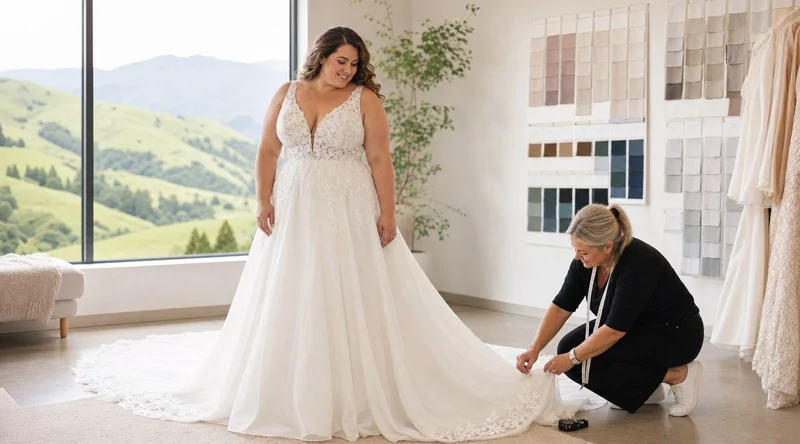
A good dress appointment should feel exciting, respectful, and practical. A good gown should do more than zip up. It should support your shape, move with you, and make you feel like yourself on one of the biggest days of your life. If you're still building the wider plan around your big day, our guides to planning a wedding in NZ can help you get organised early.
Your Wedding Dress Journey Starts Here
A lot of brides start in the same place. They're excited, then suddenly cautious. They've saved gowns they love, but they're worried that what looks beautiful online won't be available to try on in-store, or won't feel the same on their body. That's why the first shift is mental, not stylistic. You are not looking for a dress that hides you. You are looking for a dress that fits you properly, supports you where it matters, and reflects the mood of your wedding.
What often goes wrong early
Many brides walk into their first appointment thinking the goal is to squeeze into the closest sample and “make it work”. That's not a useful fitting experience. A too-small sample can distort the neckline, flatten the bust, pull through the hips, and completely change how a silhouette looks.
A better approach is to treat the first appointment as information-gathering. You're learning which cuts balance your proportions, which fabrics feel good on your skin, and which boutiques understand inclusive bridal fit. If a sample can't sit on your body in roughly the right place, don't judge the dress too harshly. Judge the design, the fabric, and the construction instead.
What confidence looks like in practice
Confidence doesn't always arrive in one cinematic moment. Sometimes it starts when a stylist clips a gown correctly and you finally see your waist. Sometimes it's when you sit down and realise the dress still feels good. Sometimes it's just hearing, “Yes, we can order that in your size.”
That's the energy you want around you. Calm, capable, supportive.
Bring that same mindset to your shopping process. Stay open, but stay practical. The dream dress is rarely just the prettiest one on the hanger. It's the one that works for your shape, your venue, your climate, and your day.
Decoding Dress Silhouettes for Your Shape
Silhouette matters because it changes where the eye goes, how the fabric moves, and how much precision the fit needs through each part of the body. In plus size bridalwear, this becomes even more important because the gown isn't just scaled up. It has to be built to keep the bust, waist, and hip relationship looking intentional.
The silhouettes that usually give the clearest shape
A-line dresses are popular for good reason. They define the waist, then release through the skirt. That means you get shape without asking the gown to fit tightly through the hips and thighs.
Ballgowns do something similar, but with more volume. If you love drama, structure, or a classic bridal feel, this shape can be brilliant. It creates a strong waist and gives plenty of movement through the lower half.
Sheath and column dresses can be elegant, especially for modern weddings, but they usually require very careful fit and fabric selection. They don't offer much room for error because the dress falls closer to the body.
Mermaid and fit-and-flare dresses can look amazing on curves, but they are less forgiving. They need accurate fit through the bust, waist, hip, and upper thigh. If the pattern, fabric, or alterations are slightly off, you'll see pulling, twisting, or bunching quickly.
Check out our wedding dress guide to read more about each of these dress styles.
Wedding Dress Silhouettes and Body Shape Pairings
| Silhouette | Best For Body Shapes | Key Characteristic |
|---|---|---|
| A-line | Brides who want waist definition with ease through the hips | Fitted bodice with skirt that gradually flares |
| Ballgown | Brides who want strong waist emphasis and more drama | Structured bodice with full skirt |
| Fit-and-flare | Brides who want a shaped outline without a very low flare point | Hugs through the body, then soft flare |
| Mermaid | Brides who want a defined, sculpted curve-focused look | Close fit through hip and thigh before flaring |
| Sheath | Brides who prefer a clean, modern line | Straight fall with minimal skirt volume |
How to choose without boxing yourself in
Start with what you want to feel, not only what you want to look like.
If you want to move easily, sit comfortably, and walk on grass without fuss, you'll probably prefer an A-line or softer fit-and-flare. If you want a dramatic entrance and formal shape, ballgown territory makes sense. If you love a body-skimming look, test a crepe fit-and-flare before committing to a full mermaid. Some dresses look beautiful on a hanger but become hard work on a real body. The right silhouette should make you feel more at ease, not more restricted.
Try to notice these details in the fitting room:
- Waist placement: Does the gown hit your natural waist, or is it sitting too high or low?
- Bust support: Does the bodice lift and hold, or are you relying on clips to create shape?
- Hip transition: Does the fabric skim smoothly, or does it strain and pull?
- Skirt release: Can you walk and turn comfortably?
What works and what doesn't
What works is a gown that respects your proportions. What doesn't is choosing a shape purely because someone said it was “slimming” or “safe”.
There is no universal plus-size rule that says you must wear sleeves, hide your arms, avoid fitted dresses, or choose only one neckline. The smarter question is whether the construction supports the style you want. If it does, your options open up fast.
The Magic of Fabric and Supportive Construction
Fabric changes everything. Two dresses with the same neck
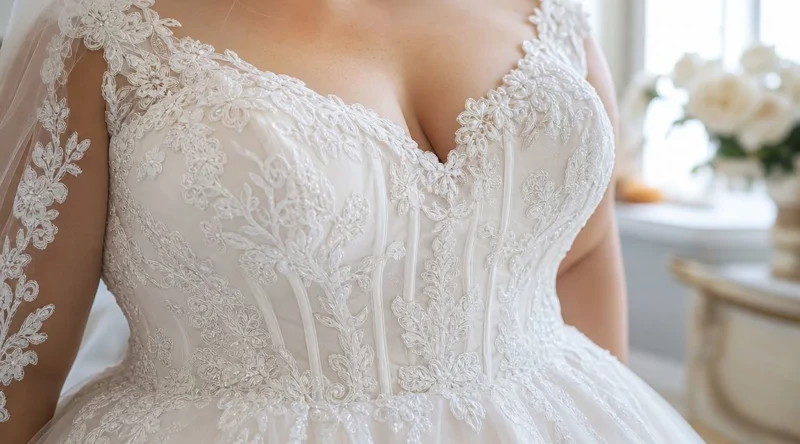
According to this bridal fit guide on fabric and support, structured fabrics like satin create a cleaner silhouette and distribute tension more evenly, while lightweight stretch fabrics like crepe improve mobility. The same guidance also notes that plus-size gowns often include enhanced internal construction to stabilise the garment for all-day wear.
Structured fabrics when you want shape
Satin and mikado are the fabrics I'd look at first if you want polish, support, and a strong outline. These materials hold their shape well, which helps the bodice sit more cleanly and the skirt fall with purpose.
That can be especially helpful if your venue is formal, your ceremony and reception run long, or you want the dress to look crisp in photos from start to finish. A more structured fabric can also make seam lines, waist definition, and drape look sharper.
The trade-off is comfort in heat and movement. Structure can feel warmer, heavier, and less forgiving if you're planning an outdoor summer wedding.
Softer fabrics when you want movement
Crepe, soft tulle, and jersey blends are often easier to move in. They can feel lighter on the body and more comfortable if you'll be walking across uneven ground, hugging everyone in sight, and dancing late into the night.
The trade-off is that softer fabrics can reveal more. If the construction underneath isn't strong, the dress may cling where you don't want it to, collapse slightly at the bodice, or show strain lines when you sit.
That doesn't make these fabrics a bad choice. It means you should pay close attention to what's underneath.
The unseen support that makes a gown feel good
When a plus-size bridal gown works beautifully, it usually has smart internal engineering doing quiet work in the background. A dress doesn't need to feel tight to feel supportive. Good support feels secure, balanced, and wearable for hours.
Look for details like:
- Internal boning: Helps the bodice stay upright and reduces rolling or collapse
- Built-in support: Useful when you want less dependence on separate undergarments
- Careful seam placement: Helps create waist definition and cleaner lines
- Stronger bodice construction: Important for necklines that need lift and stability
- Coverage options: Sleeves, backs, and necklines should feel intentional, not like an afterthought
Matching fabric to New Zealand venues
New Zealand weddings ask a lot from a gown. A vineyard wedding can mean direct sun, dry grass, and walking between spaces. A waterfront ceremony can bring wind and moisture. A winter South Island wedding may need more structure, weight, and warmth.
For venue-specific planning, I'd think about fabric like this:
- Garden or vineyard weddings: breathable fabrics, easier movement, hems that won't fight the terrain
- Waterfront settings: enough weight in the skirt to avoid constant flyaway drama
- Formal indoor receptions: satin or mikado can look particularly striking under evening lighting
- Cool-season celebrations: layered fabrics and lined bodices usually feel more comfortable over long wear
If you're torn between two gowns, ask yourself which one you'd still want to wear after several hours. That question usually cuts through the noise quickly.
How to Have a Joyful Bridal Boutique Experience
A bridal appointment can be one of the loveliest parts of wedding planning, or one of the most draining. The difference usually comes down to preparation, communication, and whether the boutique is set up to support the body in front of them.
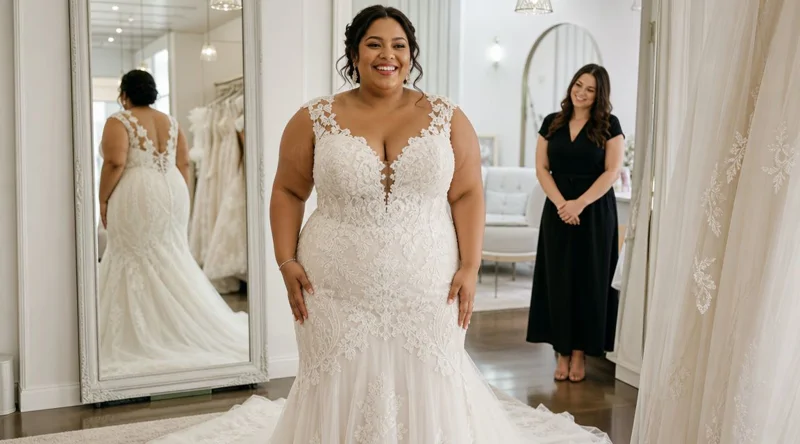
The goal isn't to impress the stylist. The goal is to gather useful information and find a gown that makes you feel fantastic.
Before you book
Call or email first. Ask direct questions. You are allowed to be specific.
Useful questions include:
- What sample size range do you carry in-store?
- Can I try the styles I've saved in an inclusive sample size?
- Do you charge differently for extended sizes depending on the designer?
- How far ahead should I book if I'll likely need alterations?
- Do you have experience fitting structured bodices on fuller busts?
If the answers are vague, keep looking. You want clarity, not guesswork.
Build the right support crew
Take people who understand the assignment. You need honesty, calm, and kindness. You do not need anyone who treats the appointment like live entertainment or pushes you into a dress that isn't you.
If you feel easily overwhelmed, consider doing your first appointment solo or with just one person. That can help you work out your taste before wider opinions arrive. If you're still sorting out who's in your inner circle for the day itself, our guide to the modern wedding party can help you think through those roles.
What to say in the fitting room
You don't need bridal jargon to advocate for yourself. Clear, simple feedback is more useful.
Try phrases like:
- “I love the neckline, but I don't feel secure through the bust.”
- “I like the waistline on this one more than the last dress.”
- “This fabric feels too clingy when I sit down.”
- “I want more movement through the skirt.”
- “Can you show me something with stronger structure in the bodice?”
That kind of feedback gives a stylist something practical to work with.
Don't judge every dress by the mirror alone
Move in it. Sit down. Turn sideways. Lift your arms. Walk a few steps. Notice what happens to the neckline, waist seam, and skirt.
A gown can look lovely when you're standing still for ten seconds and become very annoying after five minutes. Comfort is not separate from style. On your wedding day, comfort supports confidence.
Protect your headspace
If a sample doesn't fit properly, remind yourself what that means. It means the sample doesn't fit properly. It does not mean the final gown would look the same.
If the appointment feels dismissive, rushed, or awkward, leave. A boutique should make you feel looked after. Plus size brides deserve the same excitement, technical skill, and full-bodied bridal moment as everyone else.
Perfecting the Fit with Professional Alterations
Almost every wedding dress needs alterations. That's not a sign that something has gone wrong. It's the final stage that turns a good dress into your dress.
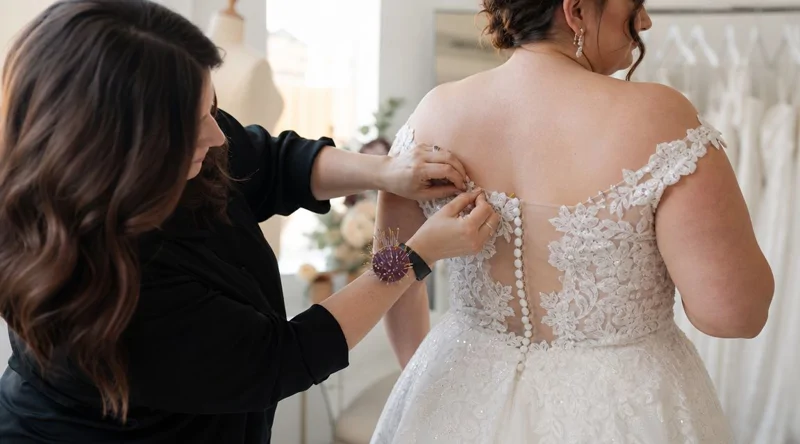
Bridal gowns aren't bought like everyday clothes. They're ordered to a closest size, then refined around your actual body, your shoes, your bust support, and the way you want the dress to sit.
What alterations usually handle well
The most common alteration jobs are straightforward and expected. Hems are adjusted to your height and shoes. Straps are shortened. Seams are refined. Bustles are added so you can move more easily after the ceremony.
A skilled bridal tailor can also improve how a bodice sits, smooth the line through the waist, and tweak sleeve or strap placement so the dress feels more balanced. These are the changes that often make the biggest difference to comfort and confidence.
What needs more caution
Big redesigns are a different story. Dramatically changing a neckline, rebuilding a back, or converting the core structure of a fitted gown can become more complex, more expensive, and less predictable.
If you know you want major customisation, mention that before you buy. Some dresses give a tailor more room to work than others. Lace motifs, boning layout, and seam placement all affect what's realistic.
How to make fittings more useful
Bring the items that affect fit. That usually means your wedding shoes and whatever bust support or shapewear you plan to wear, if any. If you're undecided, say so early, because changing your foundation garments later can alter how the gown sits.
At each fitting, test the dress in real-life ways:
- Sit down fully: check for comfort and pulling
- Walk normally: not just in tiny fitting-room steps
- Lift and hug: make sure straps and neckline stay put
- Turn around: look at zip tension, lace alignment, and how the train follows
One of the most helpful mindset shifts is this. Alterations are not there to make your body suit the dress. They are there to make the dress suit your body.
Planning Your Wedding Dress Budget and Timeline
Dress shopping feels more relaxed when you know what belongs in the budget from the start. For plus size brides, that means planning for the gown itself, alterations, and any possible size-related charges set by the designer.
In the New Zealand bridal market, additional charges commonly apply from size 18 or 20 upwards, depending on the designer, because of extra fabric use and pattern modifications. It's not universal, and it's not always handled consistently, which is why it's smart to ask early and get clarity before falling in love with a specific gown.
Build the full dress budget
Many brides focus on the ticket price of the dress and forget the surrounding costs until later. That's where budget pressure tends to appear.
Include space for:
- The gown itself: ask whether the quoted price changes by designer sizing threshold
- Alterations: especially if the gown has multiple layers, lace, sleeves, or a train
- Undergarments or support pieces: if the bodice works better with a specific foundation
- Veil or accessories: if you want to complete the look at the same time
- Pressing and transport: small details, but still part of the final spend
Timing matters more than most brides expect
Bridalwear often involves ordering, shipping, fittings, and finishing work. If you leave the dress too late, your choices narrow quickly. You may have fewer options, less time for alterations, and more stress around changes.
The practical move is to start early enough that you can compare boutiques calmly, order with confidence, and leave breathing room for tailoring. If you're mapping the whole wedding alongside the dress search, our essential NZ wedding planning guide is a helpful place to anchor the wider timeline.
A sensible planning sequence
Rather than obsessing over exact dates, use a simple order of operations:
- Set your total dress budget first. Don't separate the gown from the fitting process.
- Research stockists before booking. Make sure they carry inclusive samples worth trying on.
- Choose your gown with alteration time in mind. Especially if your preferred style is fitted or highly structured.
- Book fittings as soon as the dress arrives. Don't assume the calendar will sort itself out.
- Do a final wear test before the wedding week. Check movement, bustle, neckline, and comfort.
The brides who feel calm near the finish line usually aren't the ones who got lucky. They're the ones who planned enough space for the dress to be properly finished.
Find NZ Bridal Boutiques and Dressmakers Here
One of the hardest parts of shopping for plus size bride dresses in New Zealand is not understanding silhouettes or fabrics. It's figuring out where you can go and what will be available when you get there.
That's a genuine local challenge. New Zealand is geographically spread out, and sample availability varies a lot between boutiques and designers. A major issue for plus-size brides is the lack of centralised information on which local stockists carry inclusive sample sizes.
What to look for in a local bridal supplier
You want more than a pretty website. You want practical signs that a boutique or dressmaker can help.
Look for:
- Inclusive sample availability: not just “we can order your size”
- Clear communication: especially around lead times and fittings
- Confidence with supportive construction: fuller busts and structured bodices need technical skill
- A realistic alteration process: not vague promises
- Styles available across the full size run: so you're not shopping from a reduced menu
If you're considering custom work, ask how they approach structure, support, and mobility for your wedding setting. A custom dressmaker should be able to talk in detail about seams, linings, closures, and fabric behaviour.
Match the supplier to your wedding style
A bride planning a barefoot vineyard ceremony has different needs from one heading into a formal city reception. The best supplier fit is the one who understands the full picture.
For example:
- Outdoor celebrations: ask about hem weight, movement, and breathable linings
- Cooler regions: ask how the gown will feel over a long winter day
- Highly fitted looks: ask whether you can try a similar sample before committing
- Travel-heavy planning: ask how many fittings are usually needed and whether appointments can be grouped efficiently
This is also the stage where wider supplier planning becomes useful. While you're building your shortlist, it can help to keep related wedding details moving too.
Keep your shortlist practical
Don't create a list based only on aesthetics. Build one based on access, fit, communication, and whether the supplier's process suits your timeline.
A practical shortlist usually includes:
- one or two boutiques with inclusive samples you can try on
- one supplier with strong alteration support
- one dressmaker option if you want more control or customisation
That balance gives you options without turning the search into a full-time job.
The right shop or maker won't make you feel like an exception. They'll treat your size, shape, and comfort as part of normal bridal work. That's exactly how it should be.
Venue planning is easier when your suppliers are in one place. At Venue Finder NZ, we help you discover wedding venues and trusted suppliers across New Zealand, so you can organise everything from your dress-related planning to cakes, transport, florals, and more with less stress and fewer tabs open.