 venuefinder.nz
How to Choose a Wedding Photographer: The NZ Guide
You're probably doing what nearly every newly engaged couple does. Saving images, comparing venues, asking friends for recommendations, and then realising one decision carries more weight than most of the others.
Your wedding photographs are the record you'll return to long after the menu is forgotten and the flowers are gone. That's why choosing well matters. Not just choosing someone whose work looks pretty on Instagram, but someone who can handle the pace of a real wedding day in New Zealand, work well with your people, and manage the local logistics that generic advice often skips.
A good photographer does more than take nice portraits. They manage light, nerves, family dynamics, timing, weather changes, venue rules, and cultural moments that can't be repeated. The right one helps the day run better. The wrong one can add stress, miss key moments, or leave you with a gallery that looks polished in parts but thin where it counts.
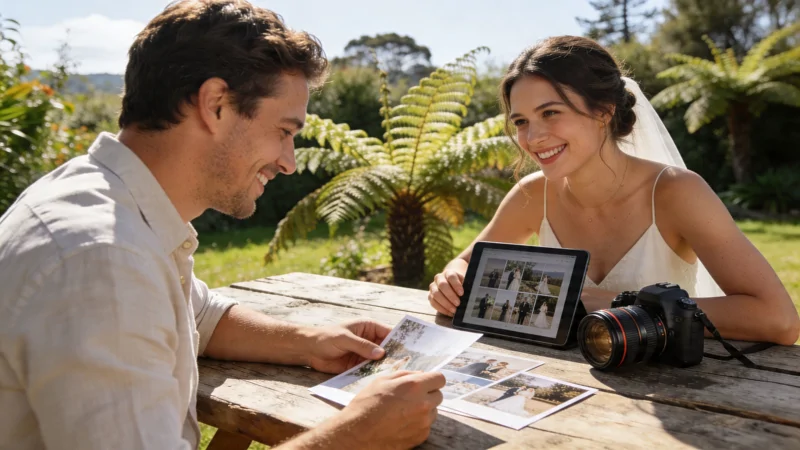
Your Wedding Photos Last a Lifetime So Let's Get It Right
The pressure you're feeling around this choice is reasonable. Photography sits in a different category from most wedding decisions because it's both practical and emotional.
You're hiring someone to document people, relationships, and moments that can't be staged again later. That includes the obvious parts like the ceremony and portraits, but also the fleeting ones. Your parents' expressions, the way your friends react during speeches, the hug you didn't realise happened, the weather rolling in over the vines, the quiet pause before you walk in.
What couples often get wrong
Many couples start with aesthetics alone. They see a beautiful sunset shot and assume the photographer is the right fit.
That single image doesn't tell you how they handle a rainy ceremony, a dark reception room, a tight family formal list, or a multicultural celebration with traditions that require awareness and respect.
What works better is choosing in layers:
- Start with style: You need to like how they see a wedding day.
- Then test consistency: Ask whether their work holds up from morning to dance floor.
- Then check logistics: Venue rules, backup plans, communication, insurance, permits.
- Then check fit: You'll spend a huge part of your wedding day with this person.
Practical rule: If a photographer only impresses in styled portraits but you can't picture them handling real-world wedding pressure, keep looking.
What makes choosing in New Zealand different
New Zealand weddings bring their own planning realities. Outdoor ceremonies are common. Light changes quickly. Wind matters. Travel between locations can be longer than couples expect. Popular ceremony spots may sit on council land, private estates, or protected areas with rules around access and commercial activity.
That means the best choice isn't merely the most artistic photographer. It's the photographer whose approach suits your day, your setting, and your priorities.
If you want to know how to choose a wedding photographer without second-guessing every step, keep it simple. Find someone whose work you love, whose judgement you trust, and whose systems are solid enough that you won't have to babysit the process.
First Define Your Photography Style and Budget
Before you message anyone, decide what you want your wedding to look and feel like in photos. This step saves a lot of wasted time.
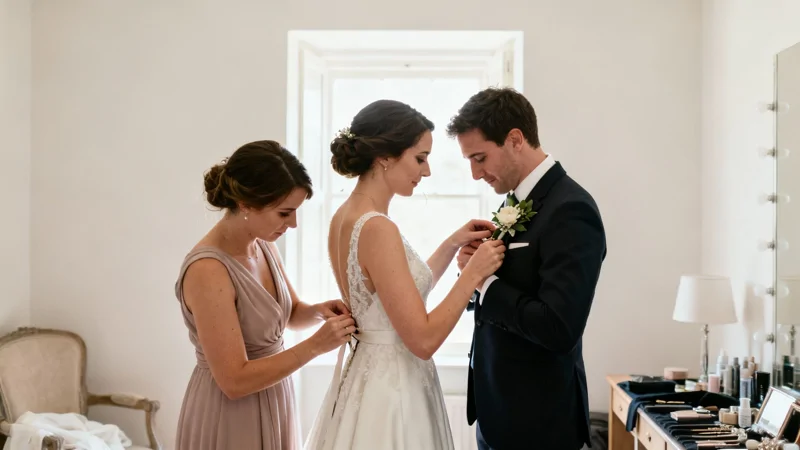
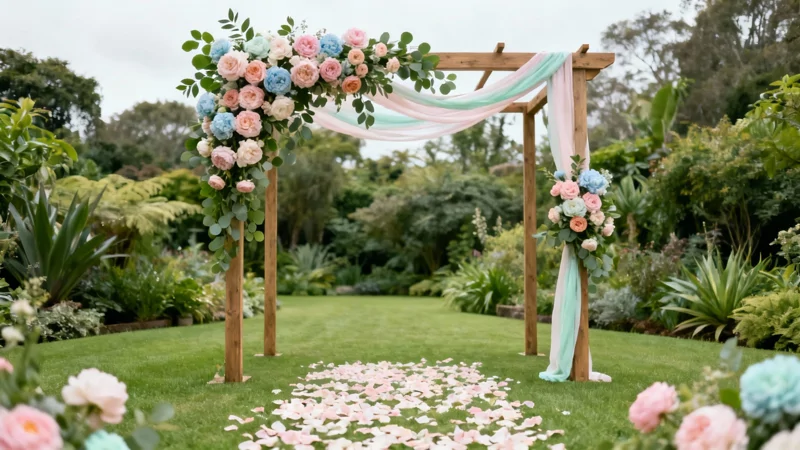
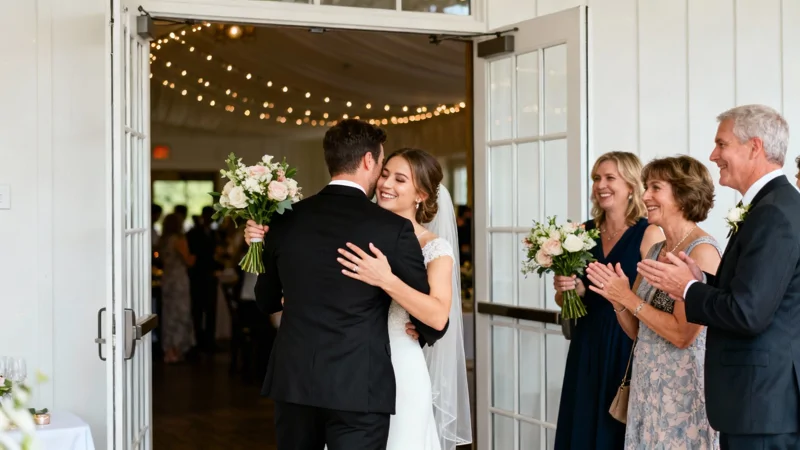
If one of you loves windswept, editorial portraits and the other wants natural candid coverage with almost no posing, that's worth sorting out early. The strongest photographer-client matches usually happen when the couple can describe the mood they want, not just say "we like bright photos".
Know the main styles before you enquire
Most wedding photography styles overlap, but these categories help you narrow the field.
Documentary
This is the photojournalist approach. The photographer watches closely and intervenes less.
You'll usually get more candid emotion, less obvious posing, and stronger storytelling across the full day. It suits couples who don't want to spend ages away from guests and would rather be guided lightly than directed heavily.
Fine art
This style is more curated. Think soft light, elegant composition, and a polished, romantic feel.
It can be beautiful for garden weddings, vineyards, formal venues, and couples who are particular about details like stationery, tablescapes, florals, and styling.
Traditional
Traditional coverage is structured and dependable. It usually places stronger emphasis on family formals, key moments, and classic portraits.
This can be a very good fit if your families want those frame-worthy, everyone-looking-at-the-camera images and a clear record of the day.
Editorial or fashion-led
This style borrows from magazine shoots. The photographer may direct posture, movement, and placement more strongly.
It works well if you love dramatic composition and are happy to invest time in portraits. It tends to suit couples who enjoy being photographed.
Adventurous or landscape-led
This style leans into New Zealand scenery. The location becomes part of the story rather than a backdrop.
If you're planning a beach ceremony, a vineyard celebration, or portraits on rugged land with changing weather, this approach can create striking images. It also requires a photographer who understands movement, timing, and terrain.
Build a budget around priorities, not wishful thinking
Wedding photography pricing varies widely in New Zealand, so a budget needs to reflect more than "we'll see what's out there". Costs usually shift based on the photographer's experience, hours of coverage, travel, whether there's a second shooter, album design, and how much support you get before and after the wedding.
A lower-priced package may be completely right for a smaller wedding with one location and simple timing. A more established photographer may be worth the spend if your day has travel, multiple cultural elements, a large family list, or a venue with strict access rules.
Use these questions to shape your budget:
- What matters most to us: Full-day storytelling, portraits, family images, or a premium album?
- How complex is our wedding: Multiple venues, transport, weather exposure, or cultural ceremonies increase the level of skill needed.
- Do we want one photographer or two: More coverage can be helpful when both of you are getting ready separately or when the day has many moving parts.
- Will we want prints or an album later: If yes, decide whether you'd rather include that now or purchase after the wedding.
Couples often regret under-budgeting for photography more than they regret simplifying décor. The photos keep working for you long after the day ends.
Create a shortlist with a clear brief
Before you contact photographers, write a short note for yourselves with:
- Your preferred style
- Your rough budget
- Your wedding date and location
- Any must-have moments
- Any cultural or family priorities
- Whether you want a quiet observer or a confident director
That brief makes your search sharper and your enquiries more useful.
If you're still shaping what matters most in your gallery, these must-have wedding photo ideas for 2026 can help you turn vague inspiration into a clearer list of priorities.
How to Find and Research Potential Photographers
Once you know your style and your spending comfort zone, the next task is filtering out the photographers who look good at a glance but won't hold up in practice.
Many couples lose time scrolling, saving, comparing, and getting overwhelmed, ultimately ending up with a shortlist based on hero shots instead of solid evidence.
Look for consistency, not just highlights
A portfolio homepage is marketing. A full wedding gallery is proof.
You want to see how the photographer handles the whole day. Bright window light while you're getting ready. Harsh midday sun. Wind. Indoor ceremonies. Wet weather. Family formals with people who don't love being photographed. Receptions with mixed lighting and fast movement.
A strong gallery should feel cohesive from start to finish.
What to assess in a full gallery
Use this checklist when reviewing real wedding coverage:
| What to check | What good looks like |
|---|---|
| Morning coverage | Calm, flattering images in cluttered rooms or dim light |
| Ceremony moments | Clear emotional storytelling without distraction |
| Family photos | Organised, tidy composition, no awkward cropping |
| Couple portraits | Natural connection, not just stiff posing |
| Reception | Strong flash or low-light handling without muddy colour |
| Story flow | The gallery feels like one wedding day, not random best shots |
If the first half of the day looks polished and the reception falls apart, that matters. If portraits are strong but family photos look rushed, that matters too.
Ask for at least one wedding that resembles yours in setting and structure. A photographer who excels at intimate outdoor weddings may not be the best match for a large ballroom reception.
Pay attention to how they photograph people, not only scenery
New Zealand gives photographers beautiful backdrops, but scenery can distract couples from the real test. How do people look in the photographs?
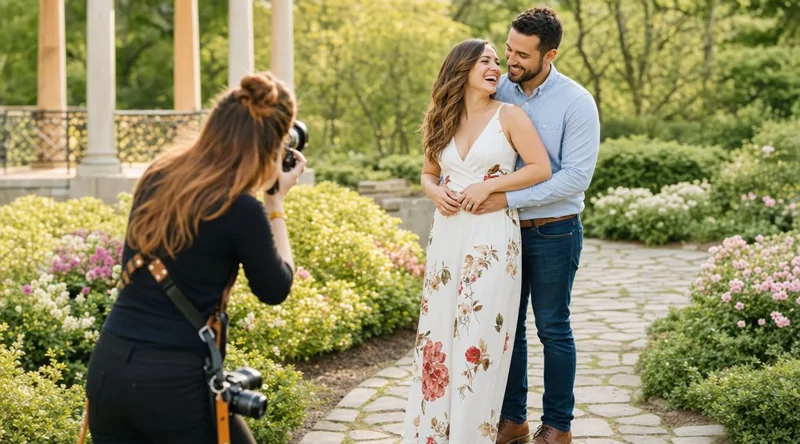
Check whether expressions feel genuine. See whether older family members are photographed with care. Notice if group shots feel organised rather than chaotic. Good wedding photography isn't just about scenery and light. It's also about timing, people skills, and sensitivity.
Cultural competency isn't optional for many NZ weddings
This is among the most significant omissions in typical wedding guidance.
For many couples, discussions should also encompass tikanga Māori, or traditions from other backgrounds, such as those from the Pacific Islands, India, or China. Weddings that blend cultures, involve multilingual families, or span multiple days require sensitivity and sound judgment.
Questions to consider when cultural experience is important
- Have you photographed weddings with elements of tikanga Māori, Pacific Island, Indian, or Chinese traditions before?
- How do you handle moments such as karakia, hongi, haka, or other cultural rituals?
- Are there particular parts of the day where you would prefer guidance in advance?
- Would having a second photographer help capture concurrent family and cultural events?
- How do you ensure your photography is respectful and non-intrusive?
The most effective responses are typically detailed and considerate. A photographer doesn't need to exhibit expertise they lack, but they should demonstrate respect, curiosity, and a commitment to thorough preparation.
Read reviews for pattern, not praise alone
Reviews help most when you scan for repeated themes.
Look for comments about communication, calmness under pressure, family management, turnaround clarity, and whether the gallery felt true to the day. One glowing line about “amazing photos” isn't as useful as multiple comments that mention organisation, kindness, and consistency.
A good review pattern often sounds like this:
- They kept us calm
- They blended in well
- They handled our families beautifully
- They adapted when plans changed
- The gallery felt like us
That's stronger than generic enthusiasm.
Keep your shortlist tight
Three to five strong options is enough. More than that usually creates decision fatigue.
If you've found several photographers whose work fits, stop broadening the search and start comparing substance. Ask for full galleries, review their approach, and see who feels aligned with your day rather than continuing to chase endless alternatives.
The All-Important Photographer Meeting
By the time you're booking meetings, you're no longer asking, “Can this person take good photos?” You're asking, “Do we trust this person to be with us through a high-pressure, emotional, fast-moving day?”
That's a different question, and it matters just as much.
A wedding photographer is often with you more than almost any other supplier. They're present while you're getting ready, while your family is gathering, during portraits, before key moments, and throughout the reception. If their energy feels off in a meeting, you'll notice it even more on the day.
What a good meeting should feel like
The best photographer meetings feel calm, focused, and practical.
You shouldn't leave with fuzzy answers. You should know how they work, how they communicate, how they solve problems, and whether they understand the kind of day you want.
Pay attention to their listening. Do they answer your actual questions, or do they pivot back to a sales pitch? Do they ask useful questions about timing, family dynamics, cultural elements, and venue logistics? That usually tells you a lot about how prepared they'll be later.
Remember that you are not looking for the loudest personality in the room. You're looking for someone whose presence makes you feel more at ease.
Essential questions to take into the meeting
Use this checklist and take notes during the conversation.
| Category | Question |
|---|---|
| Style | How would you describe your approach to a wedding day? |
| Direction | How much posing do you give during portraits and group photos? |
| Coverage | Can we see a full wedding gallery from a day similar to ours? |
| Timeline | What part of the schedule usually needs the most protection for good photos? |
| Family photos | How do you organise family formals so they move quickly? |
| Cultural elements | Have you photographed weddings with tikanga Māori or multicultural traditions similar to ours? |
| Low light | How do you handle dark ceremony spaces or evening receptions? |
| Backup gear | What happens if a camera or lens fails during the day? |
| Backup plan | What happens if you're ill or unable to attend? |
| Communication | How often do you usually check in before the wedding? |
| Delivery | How do you explain your editing and gallery delivery process? |
| Albums and prints | Do you offer album design, and how involved are we in that process? |
| Venue experience | Have you worked at our venue or in a similar setting before? |
| Travel and logistics | Are there any location or travel details you'd want confirmed now? |
Listen for the quality of the answer
A confident answer isn't always a good answer. You want thoughtful answers.
For example, on family photos, “We'll sort it out on the day” isn't reassuring. A stronger answer might mention a pre-agreed family list, a nominated family helper, and a clear location choice with even light and enough space.
On communication, “Just email if you need anything” is serviceable but vague. A stronger answer gives you a process. Planning questionnaire, timeline review, pre-wedding call, and clear expectations around response times.
Notice whether they can lead without overpowering
Some couples need gentle prompting. Others want firmer direction. A good photographer knows the difference.
Ask yourself:
- Did we feel comfortable with them
- Did they understand our priorities quickly
- Did they seem organised
- Could they direct people without being bossy
- Would our families respond well to them
This matters as much as technical skill.
Red flags worth taking seriously
Some warning signs are subtle. Don't ignore them.
- They avoid full galleries
- They can't explain their process clearly
- They seem dismissive about family logistics
- They brush past cultural questions
- They're vague about backups
- They make you feel rushed, silly, or hard work
A wedding day runs more smoothly when your photographer combines artistry with systems. If one is present but the other is missing, you'll feel it.
Understanding Contracts and NZ Specific Logistics
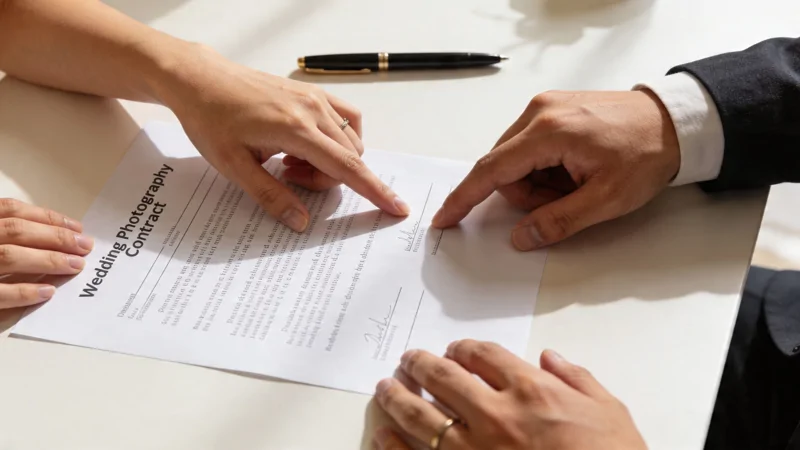
A photography contract isn't a formality. It's where expectations become clear, responsibilities are defined, and small misunderstandings are stopped before they become expensive or emotional ones.
Couples often skim this part because legal wording feels dry. Don't. This is the document that tells you what happens if the weather turns, access changes, timings overrun, or the venue asks for supplier documentation.
The clauses that deserve your attention
You don't need to read a contract like a lawyer, but you do need to read it like the person responsible for the wedding day experience.
Check these points carefully:
- Coverage hours: Start time, finish time, and what happens if the day runs late.
- Payment terms: Deposit, balance due date, and whether payments are refundable.
- Cancellation and postponement: How date changes are handled.
- Delivery terms: What you receive, in what format, and on what timeline.
- Usage rights: Whether you can print freely and share digitally.
- Substitution terms: What happens if the booked photographer can't attend.
- Travel and access: Any costs or requirements linked to remote locations.
If anything is unclear, ask for plain English. A good professional won't mind.
Weather planning in New Zealand belongs in writing
This is one of the clearest local issues couples should treat as essential.
What should be documented
Your photographer's plan should cover practical details such as:
- Rain backup locations: Indoor alternatives or sheltered portrait options.
- Wet-weather timing changes: Whether portraits move earlier, later, or split across the day.
- Gear protection: How they work safely in wind or rain without compromising coverage.
- Drone limitations: Whether weather, venue policy, or aviation rules may prevent use.
- Transport flexibility: Extra travel time if roads, parking, or access become difficult.
A rain plan is only useful if everyone knows what it is before the wedding morning.
Check insurance before the venue does
If your venue requires supplier documentation, ask for this early.
Public liability insurance might sound like an admin detail, but it can affect whether your photographer is allowed on site. It also tells you something about how professionally they run their business. If the venue asks for proof close to the wedding and your photographer doesn't have it, that becomes your problem too.
Don't ignore permits and access rules
This is another NZ-specific blind spot.
If you want portraits or a ceremony in a national park, on protected land, or in a region with controlled public access, check whether permits are needed. Some locations fall under the Department of Conservation. Others may involve council rules, private landowner permission, or restrictions on commercial photography and drone use.
A photographer who regularly works in these environments should be able to flag the issue early. If they don't raise it, you should.
Ask:
- Does this location require a permit
- Who applies for it
- Are there restrictions on gear, vehicles, or drones
- Is there a weather-safe alternative nearby
After the Booking - Your Wedding Day Plan
Once the contract is signed, the relationship shifts. You're no longer shopping. You're planning together.
This is where the strongest photographers really start earning their place. They help shape a timeline that protects good light, reduces stress, and makes sure the photography fits the day instead of hijacking it.
Build a timeline around reality
A wedding timeline should do more than list events. It should account for movement, family wrangling, weather flexibility, and breathing space.
Your photographer will usually have strong instincts about where the day can tighten up or where you need margin. Listen to that. If they suggest more time for family photos, buffer around travel, or a different portrait window for better light, it's usually because they've seen what goes wrong when the schedule is too optimistic.
Keep the shot list useful
Couples often feel they should prepare a huge list of desired images. That usually creates more pressure than value.
A better approach is to focus on the images that really matter to you and the groupings your photographer couldn't possibly know without being told.
What to send them
- Must-have family combinations
- Any sensitive relationships or family dynamics
- Cultural moments that carry special meaning
- Important heirloom details or personal items
- A small number of essential photo requests
That gives structure without forcing the photographer into a checklist mindset all day. Give your photographer the moments that matter most. Then give them enough trust to notice the moments you didn't know to ask for.
Understand how post-wedding delivery connects to planning
Good post-wedding experiences start before the wedding.
If you've discussed editing style, delivery format, album preferences, and any must-have image priorities in advance, there's less room for confusion later. You'll also be more realistic about the time it takes to edit a full gallery properly.
Ask these questions before the wedding day arrives:
- When should we expect preview images, if any
- How will the full gallery be delivered
- Can family order prints
- When do we choose album favourites
- What happens if we want design revisions
If your reception plans are still being finalised, this guide to planning the perfect wedding reception in NZ can help tighten the run sheet that your photographer will be working around.
A smooth gallery delivery rarely happens by accident. It usually reflects good communication, a realistic schedule, and a photographer whose process is already well organised.
Frequently Asked Questions
How far in advance should we book our wedding photographer
As early as you can once your date and venue are confirmed. Popular photographers often book well ahead, especially for peak wedding dates and sought-after regions.
If you've found someone whose work, approach, and planning style suit you, it's usually better to secure them than keep browsing for months and lose the date.
Do we need a second shooter
Sometimes yes, sometimes no.
A second shooter can be useful if you're getting ready in separate locations, have a large guest list, want broader ceremony coverage, or have cultural events happening simultaneously. For a smaller wedding in one location with a simple timeline, one experienced photographer may be enough.
Ask whether the second shooter adds meaningful coverage for your actual day rather than assuming it's always necessary.
What is a first look and should we do one
A first look is a private moment where you see each other before the ceremony.
It can settle nerves, open up more time for portraits, and make the timeline easier. Some couples love the intimacy of it. Others strongly prefer seeing each other for the first time during the ceremony. Neither choice is more correct. It depends on the emotional rhythm you want.
Can we ask for specific family photos
Absolutely. You should.
Family groupings are one of the clearest areas where a list helps. Keep it tidy, practical, and limited to combinations that matter.
What if the weather changes on the day
That's exactly why you choose a photographer with a clear plan and discuss it early.
The best photographers don't panic when conditions shift. They adapt. They know where to move, how to adjust, and when bad weather can create memorable images.
Do we need to like the photographer personally
Yes.
You don't need to become best friends, but you do need to feel comfortable with them. Trust affects how relaxed you look in photographs and how calm the day feels around you. If the work is beautiful but the interaction feels strained, keep looking.
Finding the right photographer is much easier when you can compare trusted suppliers and keep your planning in one place. At Venue Finder NZ, we help couples discover venues and wedding suppliers across New Zealand, enquire directly, and build a team that fits the style and logistics of their day.