 Venue Finder
Your Complete Guide to Managing Wedding Guests in NZ
29 Dec 2025 by Venue Finder NZ
Deciding on your wedding guest numbers is without a doubt one of the most critical first steps in your planning journey. Get this right, and everything else falls into place much more easily. This single number dictates almost every other decision you'll make, from your venue choice to your final budget, and it's the biggest lever you have for controlling costs.
How to Set a Head-Count: Your First Big Decision
Before you start swooning over venues or daydreaming about cake flavours, the absolute priority is to land on a realistic head-count. It's tempting to jump into the fun stuff, but this figure will shape your entire celebration - the atmosphere, the logistics, and most importantly, your bottom line.

Here in New Zealand, the number of guests is the single biggest driver of wedding costs. Think about it: every per-person item, from catering and drinks to seating and even transport, scales directly with your final head-count. Industry insights consistently show that trimming the guest list is the most effective way for Kiwi couples to manage their spend.
Cutting even a small table of guests can lead to massive savings on food and drink alone. It's a reality every local wedding planner will confirm.
Start with the "A-List"
The easiest way to begin is by creating a preliminary list with your partner. Don't worry about the total number just yet; simply list everyone you absolutely couldn't imagine your day without.
This 'A-List' is your non-negotiable core group and usually includes:
- Immediate family (parents, siblings, and grandparents)
- Your wedding party (bridesmaids, groomsmen, etc.)
- Your very closest friends
Once you have this foundational number, you can start balancing it against your ideal budget and the kind of venue you're picturing.
Your Guest List Tiers: A Practical Prioritisation Framework
To help with the inevitable tough calls, it helps to categorise your potential guests into tiers. This framework makes it much easier to see where cuts could be made if your list gets too long for your budget or your dream venue.
Tier A:
Who to Include: The absolute must-haves. Your day wouldn't be the same without them.
Example: Parents, siblings, wedding party, and best friends.
Consideration: These are your non-negotiables. Count them first.
Tier B:
Who to Include: Close relatives and friends you see regularly.
Example: Aunts, uncles, cousins, and close friend groups.
Consideration: The heart of your wider circle. Likely to make the cut.
Tier C:
Who to Include: Extended family, colleagues, and friends you're less close with.
Example: Second cousins, work friends, family friends of your parents.
Consideration: This is where cuts often begin. Be honest about your connection.
Tier D:
Who to Include: The 'obligation' invites and plus-ones for newer relationships.
Example: Neighbours, distant relatives you haven't seen in years, your parents' friends.
Consideration: The first group to reconsider if you need to trim the list.
Using a tier system isn't about ranking people's importance in your life, but about bringing clarity to a really tricky task. It’s a practical tool to help you host a celebration you can afford, surrounded by the people who matter most.
Having a well-defined guest count provides clarity, prevents budget blowouts, and ensures you can create an intimate, meaningful celebration with those you truly want there. For a complete overview of how this crucial first step connects to everything else, check out our essential NZ guide to planning a wedding. Getting this sorted early prevents so much stress down the line and helps you find that perfect venue that's just the right fit for your group.
Must-Invite vs Nice-to-Invite: The A-List and B-List Explained
Deciding who actually comes to your wedding can be one of the most emotionally charged parts of planning. It's that tricky moment where the dream day in your head meets the reality of budgets and venue capacity. A structured approach, like creating an 'A-List' and a 'B-List', can turn this daunting task into something logical and much less stressful.
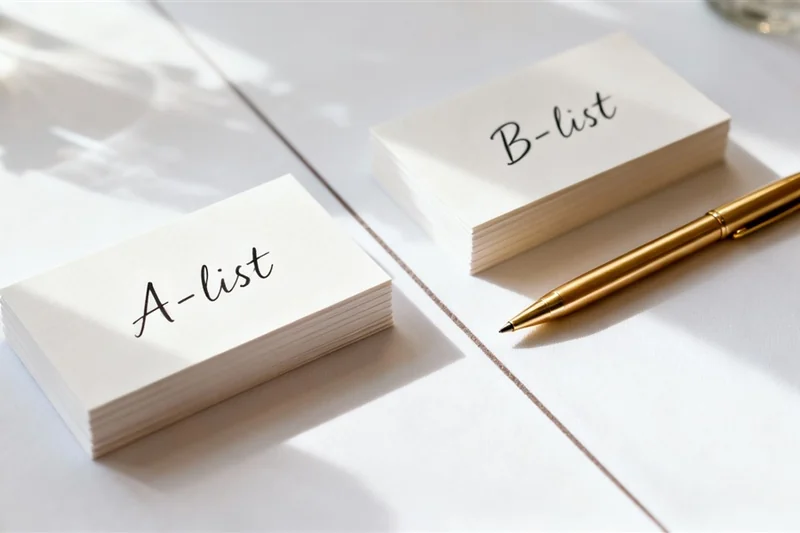
This method isn't about ranking your friends and family; it's about prioritising with fairness and clarity. Your A-List is for your must-invites - the people you simply cannot imagine celebrating without. This group is usually your immediate families, the wedding party, and your closest friends.
Your B-List, on the other hand, is for people you would genuinely love to have there if space and budget allow. These are your nice-to-invites: think extended family you're not super close with, great colleagues, or friends you see less frequently. When you receive a "no" from an A-List guest, a spot gracefully opens up for someone on the B-List.
Creating Your Guest Lists
Start by drafting your A-List together. At this stage, don't hold back; just write down every single person who feels essential. From there, you can move on to the more delicate process of building the B-List and making those tougher calls.
A few questions can really help bring some clarity:
- Have we both met this person?
- Have we spoken to them in the last year?
- Would we genuinely feel their absence on the day?
- Are we inviting them out of obligation or because we truly want them there?
This kind of structured thinking is one of the most valuable things you can do. For more guidance on keeping things organised, check out these top wedding planning tips for your special day.
Managing Family Expectations
Let's be honest: parents often have their own guest list preferences, which adds complexity. If your parents are contributing financially, it's reasonable to allocate them a certain number of invitations. The key is to have an open, honest chat early on about your vision for the day and your budget limits.
The objective is to fill your wedding with people who actively support your relationship and will bring genuine joy to your celebration. By being thoughtful and systematic, you ensure your final list of wedding guests reflects the intimate, personal celebration you both want. This approach gives you a clear path forward, allowing you to honor your own wishes while managing everyone else's expectations with grace, ultimately curating a room filled with love and support.
Adults Only or Children Welcome? Plus-One Rules
Figuring out your stance on plus-ones and children is one of those classic wedding planning hurdles. It can feel a bit awkward, but getting clear on these rules from the get-go is a lifesaver for your budget and helps shape the overall vibe of your day. A consistent, fair approach right from the start saves a lot of potential confusion and hurt feelings down the track.
The Plus-One Predicament
The question of who gets a plus-one can cause some real stress. A fair and widely accepted approach is to automatically give a plus-one to any guest in a serious, long-term relationship. This covers anyone who is married, engaged, or living with their partner - it's a simple way to show you respect their relationship.
For your single friends and family, you've got a bit more wiggle room. You're definitely not obligated to give every single person a 'plus-one' to bring a stranger. A good middle ground is to offer them to your wedding party or perhaps a few close friends who might not know many other people. It's a nice gesture that can help them feel more comfortable and ready to mingle.
Adults Only or Children Welcome?
This is another big decision that really defines the atmosphere of your wedding. An 'adults-only' wedding often leads to a more formal, party-focused vibe, and let's be honest, it usually allows the parents in your life to truly let their hair down and have a night off.
On the other hand, having kids at your wedding can bring a really lovely, family-focused energy to the celebration. There's no right or wrong answer here; it's all about what feels right for you as a couple.
If you do decide on an adults-only day, the key is to communicate it clearly and gently. Make sure you address your invitations only to the adults by name. It's also a great idea to add a polite note on your wedding website or details card. Something like this works well:
We have chosen for our wedding day to be an adult-only occasion. We hope this advance notice means you are still able to share our big day and will enjoy having the evening off!
This kind of wording makes your wishes clear while still showing your guests how much you want them there.
And if you're welcoming the little ones? Think about how you can make the day fun for them, too. A dedicated kids' table with colouring books and activities can be a game-changer, or if your budget allows, hiring a babysitter to supervise at the venue is an amazing touch.
Ultimately, whether it's about plus-ones or kids, clear and kind communication is your best friend. It ensures everyone understands and respects the celebration you're planning.
Finding the Perfect NZ Venue for Your Guest List
Okay, so you have a solid idea of your guest numbers. Now for the really fun part: the venue hunt. Your guest count is probably the single biggest factor in this decision, shaping the entire feel and flow of your day. The goal is to find that sweet spot – a space that feels buzzing with love and energy, not uncomfortably tight or awkwardly empty.
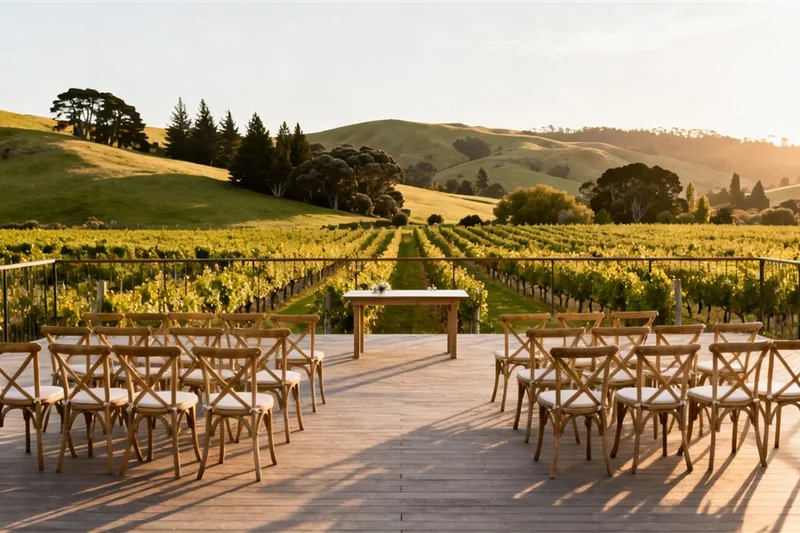
This is where your vision starts to become a reality. Letting your guest list guide you will naturally narrow down the options from the very beginning, making the search much less overwhelming.
Matching Your Guest Count to the Venue Style
The size of your guest list will naturally guide you to certain venue styles. For a gathering of 30 guests, a private dining room in a fantastic restaurant or a boutique winery might be ideal. However, for a larger celebration with 150 guests, you would require a dedicated event hall, a marquee on a country estate, or a grand hotel ballroom. It's important to consider your numbers first to avoid choosing a venue that can't accommodate everyone. Your venue choice should seamlessly align with your guest list, enhancing the connection among guests and ensuring the celebration feels both personal and comfortably spacious.
In New Zealand, there is a noticeable trend towards smaller, more personalized weddings. With the post-pandemic climate and financial considerations, many Kiwi couples are opting to invite fewer people but invest more per guest for an extraordinary experience. This has led to increased demand for unique, smaller venues such as vineyards and waterfront pavilions. You can explore the most popular wedding themes to understand current trends.
Finding Your Perfect Fit with Us
Finding the ideal backdrop for your day shouldn't add to the wedding planning stress. We've made it simple by curating a selection of incredible locations all across New Zealand. Whether you're dreaming of a close-knit ceremony or a massive party, we can help you find a space that feels just right for your guest numbers and your vision.
Ready to start looking? You can browse our stunning collection of NZ wedding venues and find the perfect setting for your celebration. Let's find the space where your best memories will be made.
Managing RSVPs and Finalising the Details
Alright, you've sent the invitations. Now comes the part where all those plans start to feel real: managing the RSVPs and locking in the final details. This stage is less about the big, tough decisions and more about smart organisation. It's time to turn that spreadsheet into a concrete plan for the big day.
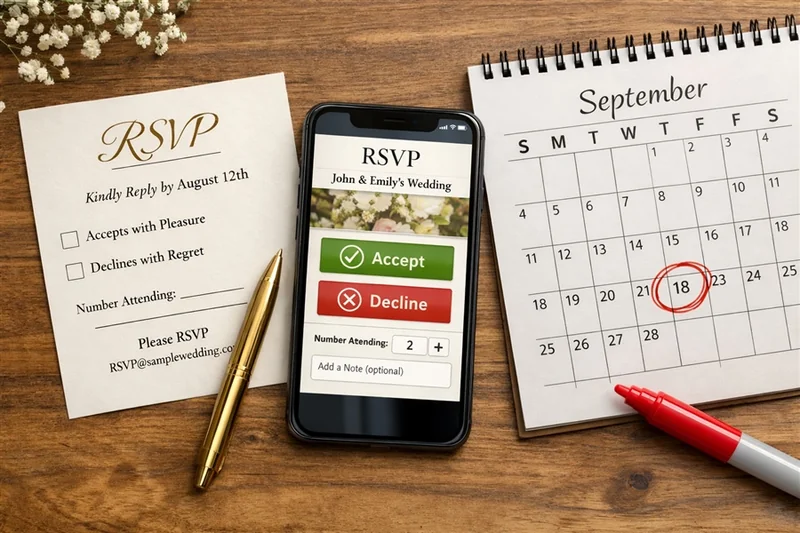
Your best friend during this phase? A firm RSVP deadline. Set it for about three to four weeks before the wedding. This gives your caterer and venue plenty of breathing room to finalise numbers, which they'll definitely thank you for. Make sure this date is printed clearly on your invitations so there's no confusion.
Of course, there will always be a few stragglers who miss the date. Don't panic! A polite follow-up is totally fine. Often, a quick text or a friendly phone call is all it takes to get an answer and tick them off the list.
Gathering Essential Information
An RSVP goes beyond a simple 'yes' or 'no'. It provides an opportunity to collect important details that ensure a smooth experience for guests. This is the ideal time to inquire about specific dietary needs or allergies.
Consider additional logistics as well. Your RSVP form, whether a card or online, can include questions such as:
- Will they need a seat on the guest transport you've arranged?
- Do they require any accessibility assistance at the venue?
Collecting this information early helps alleviate stress later and demonstrates your genuine concern for your guests' comfort and needs.
Furthermore, a thoughtful seating plan extends beyond merely assigning seats. It involves creating an atmosphere by grouping people with shared interests to encourage engaging conversations and foster a warm, connected ambiance in the room.
Finally, be prepared for any last-minute changes. Sometimes a guest may need to cancel unexpectedly. The best approach is to respond graciously, thank them for the update, and proceed. Your final numbers are now confirmed, allowing you to focus on the exciting countdown.
Answering Your Trickiest Wedding Guest Questions
Let's be honest, figuring out the guest list can bring up some… delicate situations. From navigating family politics to politely explaining who's invited (and who isn't), it's often the most challenging part of planning. Here's how to handle a few of the most common dilemmas we see couples run into.
How Do We Handle Pressure From Our Parents to Invite More People?
Ah, the classic guest list tug-of-war. The best way through this is to have an open, honest chat with your parents right at the start of your planning. Lay out your vision for the day, your budget realities, and any hard limits your venue has on numbers.
If your parents are helping out financially, it's fair to talk about setting aside a certain number of invites for their friends and family. But if you're funding the wedding yourselves, you can politely explain that while you appreciate their suggestions, your guest count is fixed. A good way to frame it is by focusing on your desire to keep the celebration intimate and personal, so you can actually spend quality time with everyone there.
What's the Best Way to Say 'No Kids, Please'?
Clarity and kindness are your best friends here. The simplest, most effective method is to address your invitations only to the adults you're inviting, by name. That alone should send a clear message.
If you want to be extra sure, you can add a small, tactful note on your wedding website or a separate info card. Try to avoid putting "no children" directly on the invitation. You could try a gentle line like:
To allow all our guests, including parents, a night of relaxation and uninhibited fun, we have chosen for our wedding day to be an adult-only occasion,".
Is It Okay to Have a 'B-List' for Invitations?
Absolutely. Having a B-list is not only okay, it's a super common and practical strategy. The trick is to handle it with grace so no one feels like an afterthought.
The minute you get a "no" from someone on your A-list, get that B-list invitation in the mail. This ensures your next-in-line guests still get their invite with plenty of time to RSVP and make plans. And this is crucial: send them the exact same invitation with the same RSVP deadline. It's a smart way to fill any open spots and celebrate with more of your favourite people.
Ready to match your finalised guest list to the perfect venue? At Venue Finder NZ, we make it easy to discover incredible spaces all across the country. Start your search and find the ideal backdrop for your celebration.
Related posts
Plus Size Bride Dresses: Your NZ Guide to the Perfect Fit
Find your dream wedding gown with our NZ guide to plus size bride dresses. Get expert tips on silhouettes, fabrics, budgeting, and finding local boutiques.
13 Jun 2026

How to Choose a Wedding Photographer: The NZ Guide
Learn how to choose a wedding photographer in NZ with our step-by-step guide. Find your style, budget, and ask the right questions for your perfect day.
12 Jun 2026

Your Guide to Elopement Packages NZ in 2026
Discover the best elopement packages NZ has to offer for 2026. Explore costs, legal steps, and breath-taking locations for your intimate wedding.
20 May 2026